
Article Snapshot
Sports photography and videography can work as a side business when you treat it like a service business, not just a hobby with a camera. You need clear rights, reliable delivery, safe field behavior, simple packages, backup workflows, and a way to serve teams, parents, athletes, clubs, schools, or small events without overpromising.
TL;DR: Start with one sport, one client type, and one repeatable offer. Learn access rules, protect athletes’ privacy, price for editing time, and build a small portfolio that shows action, emotion, and clean storytelling.
Why sports media is a practical side-business niche
Local sports create constant media needs. Youth teams want highlight clips. Parents want memories. Athletes need recruiting footage. Clubs need social content. Small events need coverage. Coaches may want practice video. Unlike many creative niches, sports have built-in schedules and repeat clients.
The challenge is that sports media is harder than it looks. Action happens fast, lighting can be poor, access is limited, and clients may not understand the difference between raw footage, edited highlights, and licensed commercial use. A side business needs simple boundaries from the beginning.
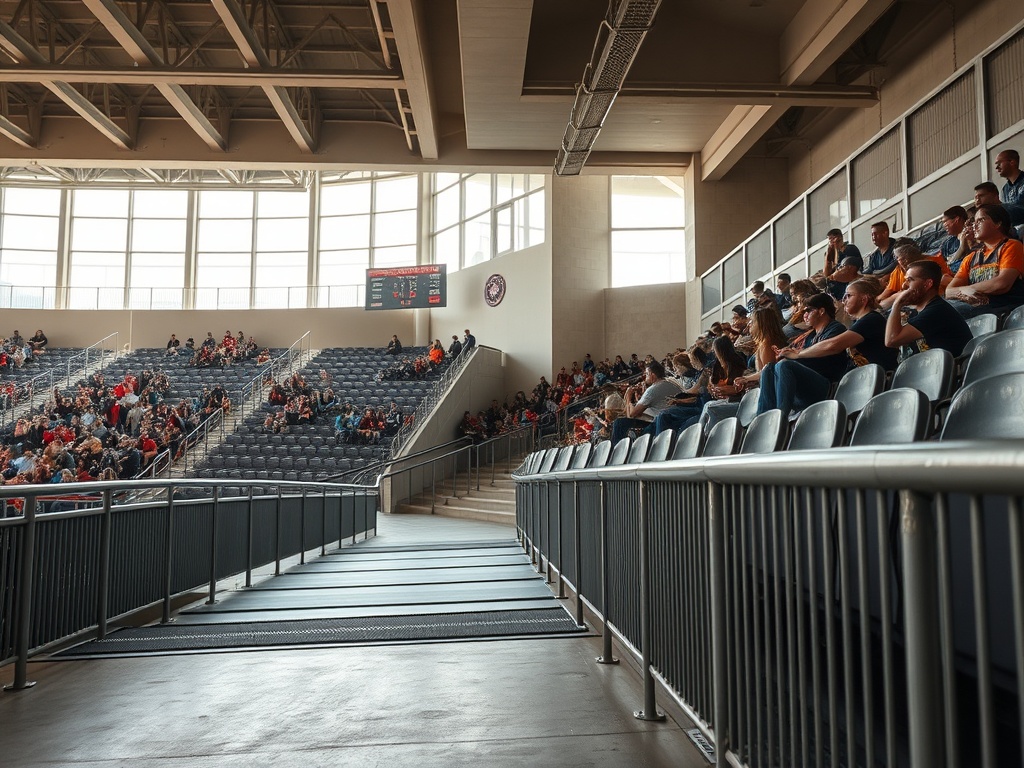
Venue access also matters. If you shoot at tournaments, arenas, or community facilities, the article on accessibility at sports venues is relevant because media work often depends on safe movement, clear routes, and respect for event operations.
Choose a narrow starting offer
Do not begin by offering every possible service. Pick one sport and one client type. Examples include youth soccer game galleries, basketball player highlight reels, club media-day portraits, tournament recap videos, or short vertical clips for local teams.
A narrow offer helps you learn the sport’s rhythm. Soccer requires anticipation and lens reach. Basketball requires fast focus and low-light skill. Baseball and softball reward patience and timing. Combat sports require safety awareness and respect for officials. Esports coverage requires screen visibility, player emotion, and venue-light control.
Package the offer in plain language: one game, minimum number of edited images, delivery timeline, usage terms, and price. For video, define the length, number of revisions, music rights, and whether raw footage is included. Most client problems start when these details are vague.
Ethics, access, and athlete privacy
Sports media often involves minors, injuries, emotional moments, and crowded spaces. Get permission when required, follow venue rules, and avoid publishing sensitive moments that exploit an athlete. The National Press Photographers Association’s code of ethics is useful even for freelancers because it emphasizes accuracy, respect, and avoiding manipulation that misleads viewers.
Youth sports require extra care. Teams may have photo restrictions for certain children. Schools and clubs may require credentials or background checks. Parents may request that images not be posted publicly. Build a system to record those requests before the event starts.

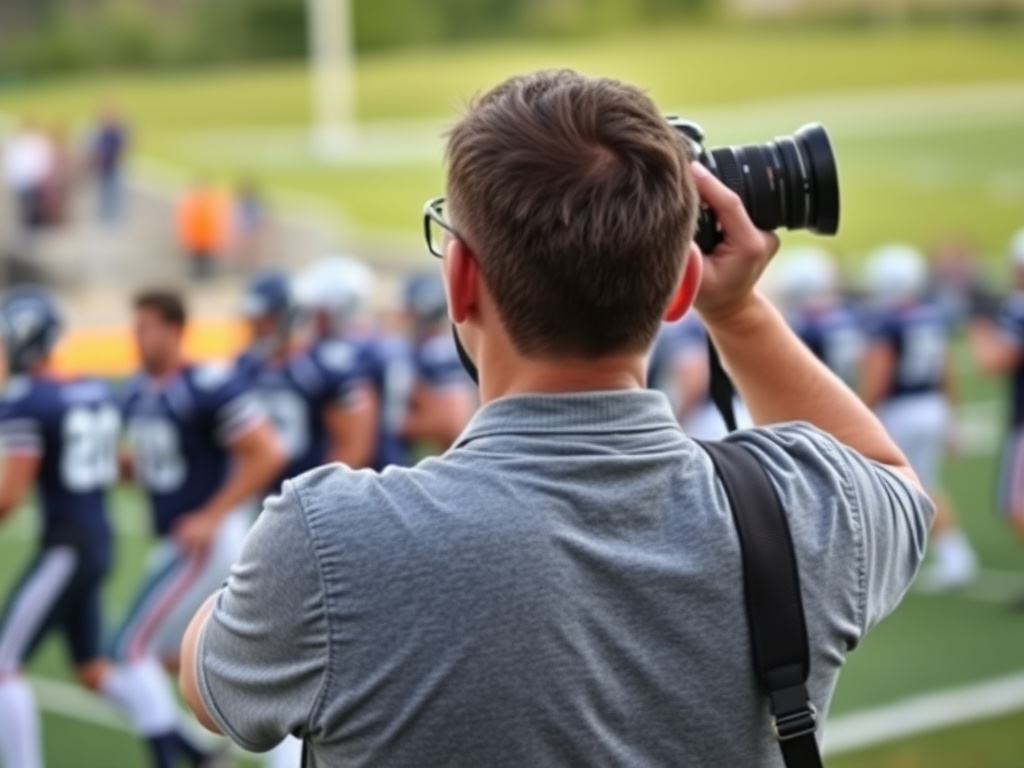
Field behavior is part of professionalism. Do not block officials, distract athletes, enter restricted areas, or chase a shot at the expense of safety. A photographer who makes event staff nervous is unlikely to be invited back.
Gear, workflow, and delivery basics
You do not need the most expensive gear to start, but you do need gear that fits the sport. Fast action often requires reliable autofocus, adequate shutter speed, and lenses suited to distance and light. Video work adds audio, stabilization, storage, and editing requirements.
Workflow matters as much as shooting. Use dual-card recording when possible, back up files immediately, cull efficiently, and create consistent folder names. Deliver edited work through galleries or shared folders that are easy for clients to use. Keep raw files organized, but do not promise to store everything forever unless that is part of the paid service.
Pricing should include travel, shooting time, editing time, software, equipment wear, taxes, insurance, and communication. Many beginners underprice because they count only the event hours. Editing can take longer than the game.
Business setup without making it complicated
Even a side business needs basic structure. Decide how you will accept payments, track income, handle expenses, and write simple agreements. The U.S. Small Business Administration’s guide to choosing a business structure can help beginners understand common options before speaking with a qualified tax or legal professional.
Create a short contract or booking agreement. It should cover date, location, deliverables, payment timing, cancellation, weather, usage rights, and turnaround time. For minors, clarify who has permission to purchase and share images.
Marketing can start locally. Share a clean portfolio, ask clubs about media needs, offer a limited trial for one event, and collect testimonials when clients are happy. Avoid posting every image you take. Curated work looks more professional.
Where this side business can grow
Once the workflow is stable, you can add team media days, sponsor content, athlete recruiting reels, tournament packages, or recurring monthly coverage. Some creators move toward sports content strategy, livestream support, or niche community media.
Sports video games and creator culture also influence how fans consume highlights. The article on sports video games and real-world fandom explains why digital sports habits can shape interest in real teams, athletes, and media formats.
Start small, deliver reliably, then expand
A sports media side business grows through trust. Show up prepared, respect the venue, protect athletes, deliver on time, and communicate clearly.
Start with one offer you can execute well. Once clients trust your consistency, the next package, sport, or event type becomes much easier to add.