
Article Snapshot
Sleep loss can increase injury risk and decision errors because tired athletes react more slowly, process information less efficiently, recover less completely, and may choose riskier movement or tactical options under pressure. Sleep does not guarantee safety, but poor sleep can weaken several systems athletes rely on to perform well.
TL;DR: Lack of sleep can affect reaction time, coordination, attention, mood, recovery, and judgment. Athletes should treat sleep as part of training, especially before heavy practices, matches, tournaments, travel, and return-to-play periods.
Why sleep affects both body and decision-making
Sport is not only muscle output. It is perception, timing, choice, coordination, emotion, and recovery happening at once. Sleep supports all of those processes. When sleep is cut short, an athlete may still feel motivated, but the body may not respond with the same precision.
The Sleep Foundation’s guide on sleep and athletic performance summarizes why rest matters for physical and mental performance. A review on sleep in professional athletes also describes sleep health as connected with training, injury risk, recovery, and performance. Readers who want a deeper research overview can review sleep and performance in professional athletes.
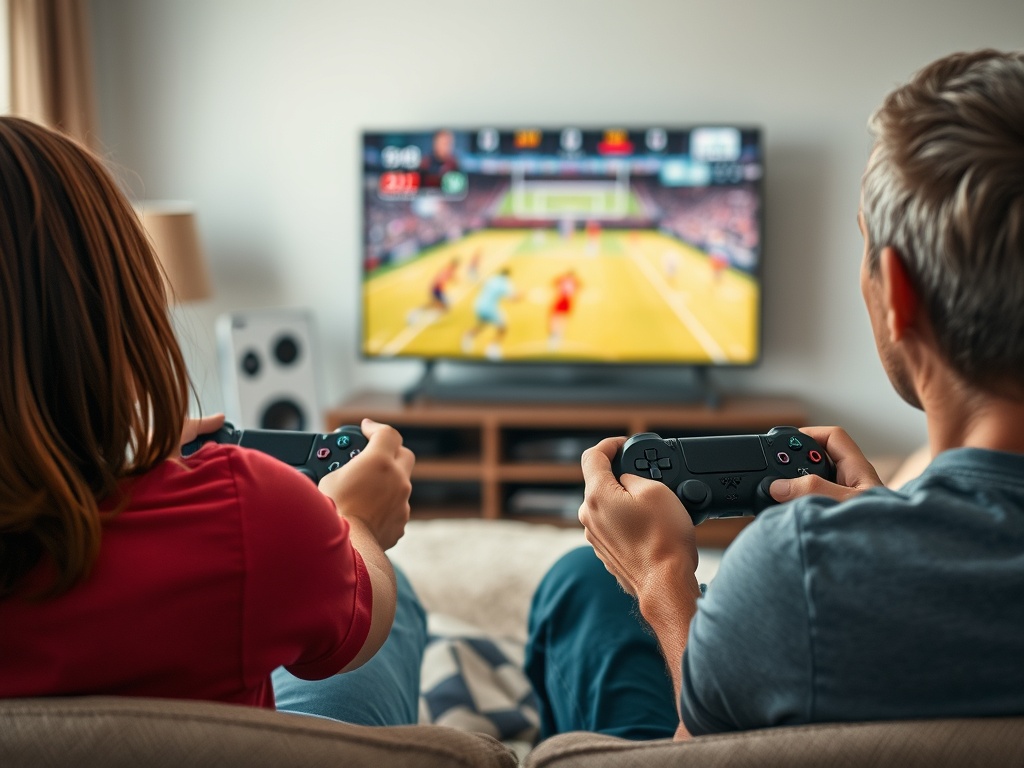
This is relevant to esports too. A Counter-Strike player working on crosshair placement and peeking depends on reaction time, impulse control, and attention. A field athlete making a late-game cut or tackle depends on similar decision systems under different physical demands.
How tired athletes make different movement choices
Fatigue can change how an athlete lands, cuts, brakes, or reaches. Even small timing errors can matter when speed, contact, or unstable positions are involved. A tired athlete may also use less efficient technique because the body is trying to conserve effort.
Sleep loss can also reduce awareness. An athlete may notice a defender late, misread a bounce, react slowly to a whistle, or forget a tactical cue. These are not moral failures. They are performance errors that become more likely when the nervous system is under-recovered.
Decision errors can be subtle. A tired player may force a pass, chase a low-percentage play, ignore spacing, or skip communication. In gaming, the equivalent might be repeeking the same angle, over-rotating, or taking a duel without teammate support.
Warning signs that sleep is hurting performance
Look for patterns rather than one bad day. Warning signs include slow starts, unusual irritability, poor concentration, repeated minor mistakes, heavy legs during normal drills, slower reaction to instructions, and a feeling that routine effort is unusually hard.
For youth athletes, parents may notice mood changes, trouble waking, headaches, declining school focus, or an athlete who seems emotionally overwhelmed by normal coaching feedback. Coaches may notice players zoning out during demonstrations or forgetting roles they normally understand.

These signs do not prove sleep is the only cause. Nutrition, stress, illness, training load, and injury can all contribute. But sleep is often one of the simplest variables to review first because it affects so many others.
Tournament weekends and travel make sleep harder
Early games, hotel rooms, late meals, long drives, time-zone changes, and emotional adrenaline can all reduce sleep quality. Athletes often treat tournament sleep as impossible, but small decisions help: pack earlier, reduce late screen stimulation, set a wind-down routine, and avoid turning the hotel room into a social space deep into the night.
Coaches can help by planning realistic arrival times and avoiding unnecessary late meetings. Parents can help by keeping post-game analysis short, especially after evening events. The athlete needs enough time to come down physically and mentally.
Sleep also connects with broader recovery planning. The article on women athletes structuring training around recovery explains why workload, energy, and rest should be considered together rather than separately.
A simple sleep-support routine for athletes
Start with a consistent sleep and wake window as often as the schedule allows. Keep the bedroom cool, dark, and quiet. Reduce intense tactical review right before bed. Put gear, uniforms, snacks, and water ready earlier so the morning does not start with stress.
Before important events, avoid making sleep a source of panic. One imperfect night does not ruin performance. The bigger goal is a pattern of adequate sleep over weeks. Athletes should also avoid using caffeine late in the day to cover avoidable sleep loss.
For teams, make sleep part of the performance conversation without shaming athletes. Ask players what gets in the way of rest. Travel, schoolwork, jobs, family schedules, and stress may all be part of the answer.
Treat sleep like a skill, not a luxury
Sleep is not a soft add-on to training. It supports reaction time, learning, recovery, emotional regulation, and safer decision-making. A tired athlete can still care deeply and still make preventable mistakes.
Build sleep into the plan before the body forces the issue. Better rest will not remove every risk, but it gives athletes a stronger base for movement, judgment, and long-term progress.