
Most adults believe their daily dental routine is solid — until a dentist finds a cavity, early gum disease, or worn enamel that could have been prevented.
Key Takeaways
- Brushing too hard or too briefly remains one of the most widespread errors.
- Skipping floss is not compensated by mouthwash alone.
- Ignoring dry mouth, grinding, and diet acidity accelerates damage silently.
- Knowing the early warning signs helps you act before small problems become costly ones.
Why Small Home-Care Errors Add Up
Preventive dentistry is cumulative. A mistake repeated twice a day, 365 days a year, compounds into measurable damage. The good news: most errors are correctable once identified.
Mistake 1: Brushing Too Hard or With the Wrong Technique
Aggressive brushing erodes enamel and recedes gum tissue — two changes that are largely irreversible. The American Dental Association recommends a soft-bristled brush and gentle, circular or angled strokes rather than back-and-forth scrubbing.
A common sign of overbrushing is tooth sensitivity near the gumline, often mistaken for a cavity. If your brush bristles splay within a month, you are applying too much pressure.
Mistake 2: Brushing for Less Than Two Minutes
Clinical guidance consistently recommends brushing for two minutes twice daily. Most people brush for under 45 seconds in practice. Rushing means back molars, the inner surfaces of lower front teeth, and the gumline receive almost no contact time — precisely where plaque accumulates first.
A simple fix: use a timer or an electric toothbrush with a built-in interval signal.
Mistake 3: Skipping or Misusing Floss
Mouthwash does not reach the contact points between teeth. Interdental cleaning — whether with string floss, floss picks, or water flossers — addresses roughly 35% of each tooth’s surface that a brush never touches. Research published in peer-reviewed periodontal literature has linked untreated gum disease to systemic conditions. Understanding why stress shows up in your mouth and jaw can also explain why inflamed gum tissue feels worse during high-stress periods.
Mistake 4: Rinsing Immediately After Brushing
Rinsing with water right after brushing washes away the concentrated fluoride that toothpaste leaves on enamel. Spitting out excess paste without a full rinse allows fluoride to keep working. If you use a fluoride mouthwash, use it at a separate time — not immediately after brushing.
Mistake 5: Ignoring Night Grinding (Bruxism)
Bruxism — clenching or grinding during sleep — affects a notable share of adults and often goes unrecognized for years. The signs include morning jaw soreness, worn or flattened tooth edges, and unexplained headaches. Left unaddressed, grinding fractures enamel and can ultimately lead to restorative needs that require a phased dental treatment plan. A dentist may recommend a custom night guard once bruxism is confirmed.
Mistake 6: Assuming Sensitivity Is Normal
Occasional sensitivity to cold is common, but persistent or worsening sensitivity often signals enamel loss, a crack, gum recession, or early decay. These are not conditions that resolve without treatment. A brief dentist evaluation can distinguish between sensitivity that responds to a desensitizing toothpaste and sensitivity that requires restorative work.
Mistake 7: Treating Mouthwash as a Substitute for Brushing or Flossing
Antiseptic mouthwash reduces bacterial load in saliva, but it does not physically remove plaque biofilm. Plaque requires mechanical disruption. Mouthwash works best as a complement — not a shortcut.
Mistake 8: Neglecting Diet and Hydration
Frequent snacking on acidic or sugary foods and beverages keeps oral pH low for extended periods, accelerating enamel demineralization. Staying hydrated supports saliva production, which is the mouth’s primary natural defence. Dry mouth — whether from medication, mouth breathing, or dehydration — raises cavity risk significantly.

Warning Signs That Warrant a Dental Appointment
Schedule a routine appointment when you notice:
- Bleeding gums that persist for more than two weeks
- Sensitivity that worsens or spreads to other teeth
- Visible discoloration, roughness, or a chalky white spot on enamel
- Chronic bad breath that does not resolve with brushing
Seek prompt care if you experience sharp spontaneous pain, visible swelling, a cracked tooth, or any trauma to the mouth.
A Better Daily Workflow
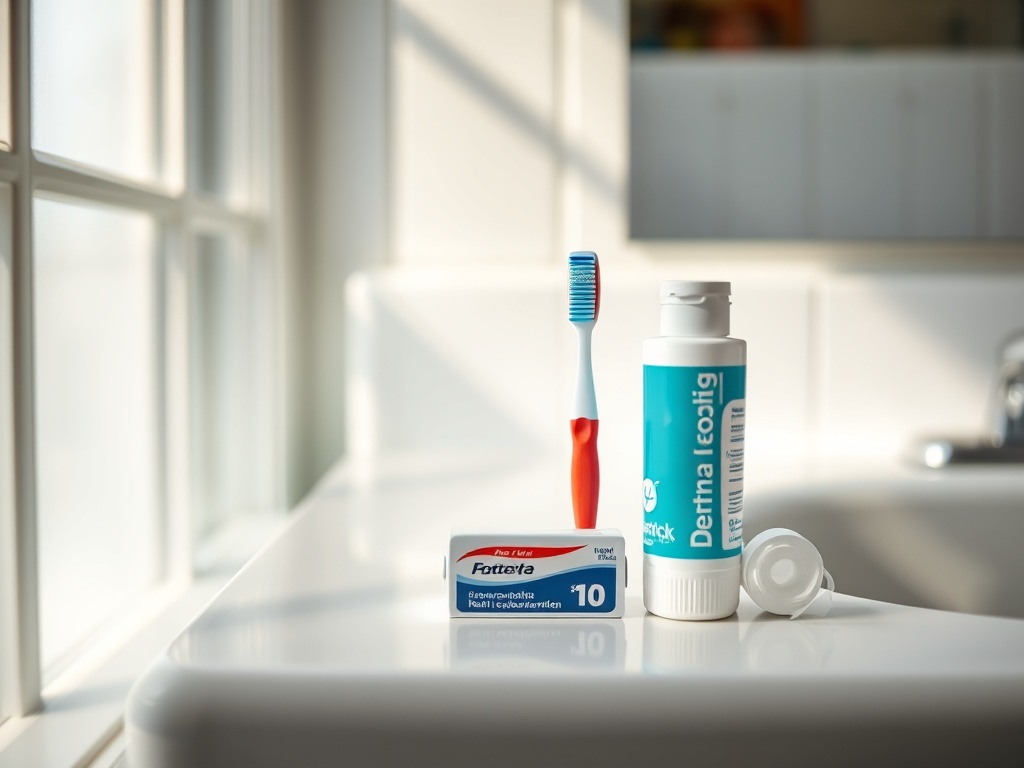
- Brush for two full minutes twice daily with a soft-bristled brush at a 45-degree angle to the gumline
- Floss or use an interdental cleaner once daily before brushing at night
- Spit after brushing — do not rinse
- Use fluoride mouthwash at a separate time, such as mid-day
- Stay hydrated and limit acidic or sugary between-meal snacks
- See a dentist at the interval they recommend, typically every six to twelve months
Your Next Move
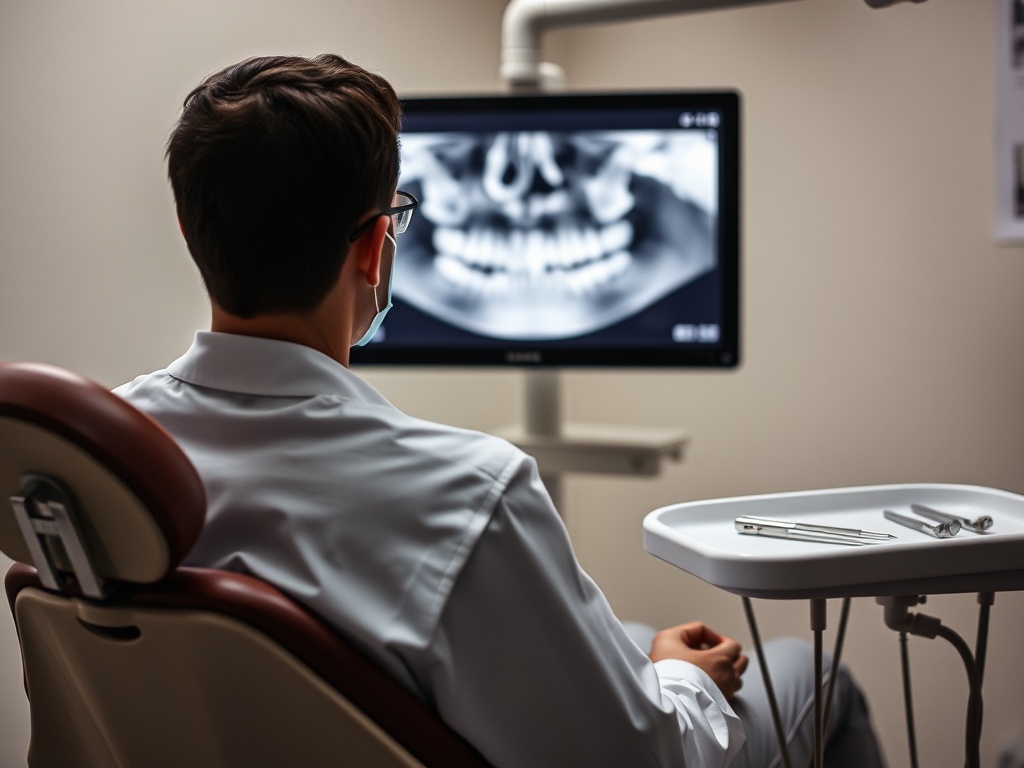
Reviewing these habits at your next dental visit gives your dentist baseline information to spot early changes. If you have noticed any of the warning signs above, a standard check-up — rather than waiting for pain — is usually the most cost-effective first step.