
Article Snapshot
Sports video games influence real-world fandom and participation by teaching rules, building player recognition, creating emotional attachment to teams, and giving fans a low-barrier way to experience sports strategy. They do not replace live sport, but they can shape what fans watch, who they follow, and which sports they try.
TL;DR: Games can turn casual viewers into informed fans, introduce young players to tactics, and create new media habits. The influence is strongest when digital play connects with real teams, athletes, communities, and accessible ways to participate.
Why digital play changes how people meet sports
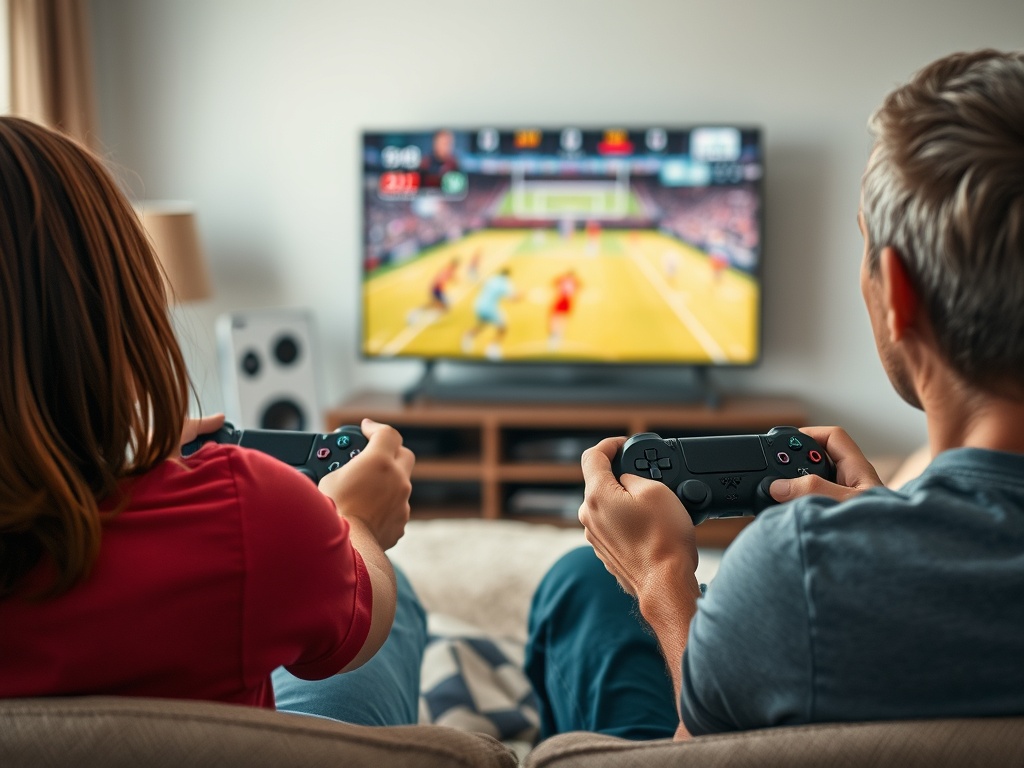
Many fans first learn a sport through a controller. A child may understand soccer formations through a game before watching a full match. A basketball fan may learn player names from roster screens. A racing fan may learn tracks through simulation. The game becomes a low-pressure entry point.
The Entertainment Software Association’s Global Power of Play report describes video games as a source of connection and mental stimulation across many countries. For sports specifically, the connection can be social, educational, and emotional: players learn teams, rivalries, athletes, strategies, and broadcast language while playing.
This also links to participation. A fan who understands event formats through scrimmages, friendlies, and exhibitions may find it easier to follow preseason coverage or community matches after encountering similar ideas in a game.
Games teach rules and strategy through repetition
A broadcast explains rules when they appear. A video game makes the player repeat them. Offside, shot clocks, substitutions, stamina, formations, penalties, pit strategy, line changes, and matchups become interactive decisions. That repeated exposure can make a live sport easier to understand.
The learning is not perfect. Sports games simplify rules, compress time, and balance realism with entertainment. A game may make transfers, tactics, or player development feel more controllable than they are in real organizations. Fans should treat games as a doorway, not a full simulation of reality.
Still, the doorway matters. Beginners often struggle because real sports move quickly. A game allows pausing, experimenting, and replaying. That can help fans recognize patterns when they later watch or play.
Player recognition and emotional attachment
Sports video games turn athletes into familiar names. A user may play dozens of matches with a striker, quarterback, point guard, driver, or fighter before watching that person live. Ratings, animations, signature moves, and commentary can create recognition long before traditional fandom forms.
This can expand interest beyond a local team. A player may discover a league, club, or athlete because of an in-game career mode or online matchup. That discovery can lead to following highlights, buying tickets, joining fantasy contests, or trying the sport recreationally.

The risk is that ratings and gameplay balance can distort perception. A real athlete’s value includes roles, systems, health, coaching, and context that games may simplify. Fans should enjoy the familiarity without treating every rating as objective truth.
Participation: from controller to court, field, or track
Some players move from sports games into real participation because the game reduces intimidation. They already know basic terms, positions, and goals. That confidence can make a first practice, rec league, or school tryout feel less foreign.
The connection is not automatic. A person may love a soccer game and never join a team. Cost, access, confidence, disability, location, and time all influence participation. Still, games can create curiosity. Community programs can use that curiosity by offering beginner-friendly clinics, low-pressure events, and clear gear guidance.
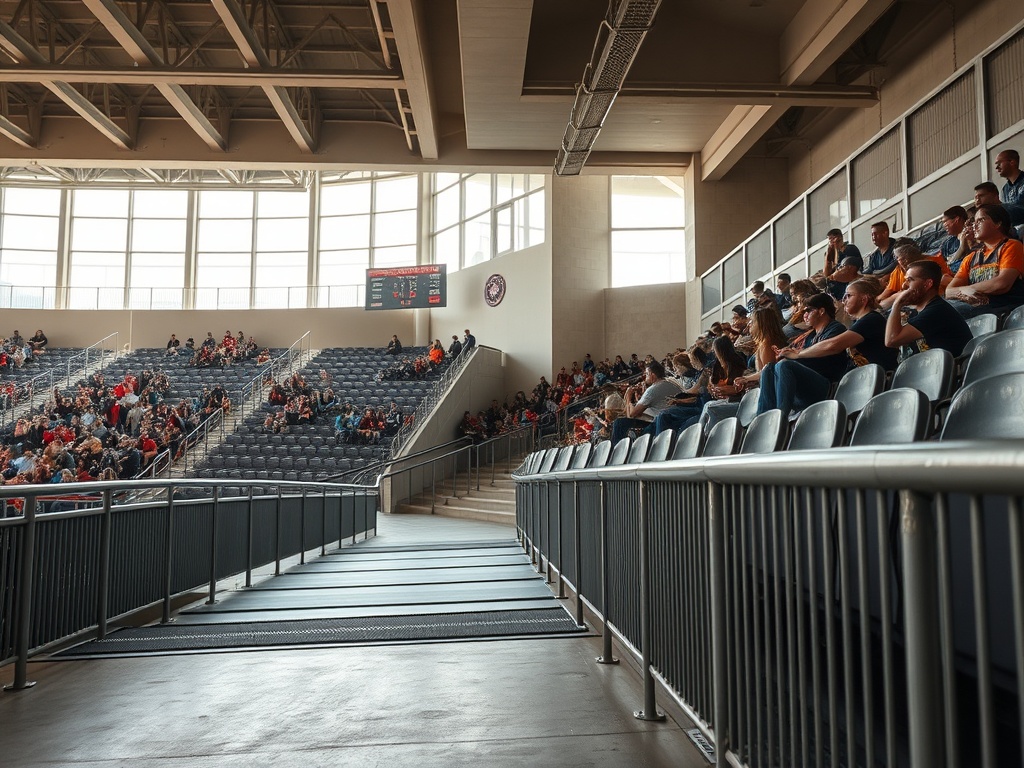
Accessibility matters here too. The article on accessibility at stadiums and community venues shows that participation and fandom improve when physical spaces reduce barriers. Digital interest grows stronger when real-world access is practical.
Esports, streaming, and hybrid fan habits
Sports games now sit inside a wider media ecosystem. Fans watch streamers, follow creator tournaments, join online leagues, collect digital content, and discuss updates alongside real-world seasons. The International Olympic Committee’s work around esports reflects how organized sport institutions are paying attention to competitive gaming, even as definitions and formats continue to evolve.
Creator-led competitions and celebrity exhibitions can introduce sports to people who do not watch traditional broadcasts. A fan might arrive for a streamer and leave curious about the sport. A young athlete might study tactics through both game clips and live footage.
This hybrid habit changes media expectations. Fans often want shorter clips, interactive stats, behind-the-scenes access, and personalities they can follow across platforms. Teams, leagues, and creators that understand this can build stronger bridges between digital play and live sport.
What parents, coaches, and sports organizations should take from this
Parents can treat sports games as conversation starters rather than enemies of participation. Ask what the child learned about positions, rules, or teams. Then connect that interest to safe movement, outdoor play, local games, or watching a real match together.
Coaches can use games carefully as teaching tools. A formation screen, replay, or simplified tactical example can help explain spacing. But the field or court still teaches body control, communication, pressure, and physical timing in ways a game cannot.
Sports organizations can create beginner pathways for fans who know the digital version first. Explain rules simply, offer first-timer guides, and avoid mocking new fans for learning through games. Every fandom starts somewhere.
Digital fandom becomes stronger when it meets real experience
Sports video games can teach language, build attachment, and spark participation. Their value is not that they perfectly copy sport. Their value is that they make sport more approachable.
Use games as a bridge. Watch the real match, try the real skill, attend the local event, or join a beginner session. The strongest fandom usually grows when digital curiosity meets real community.