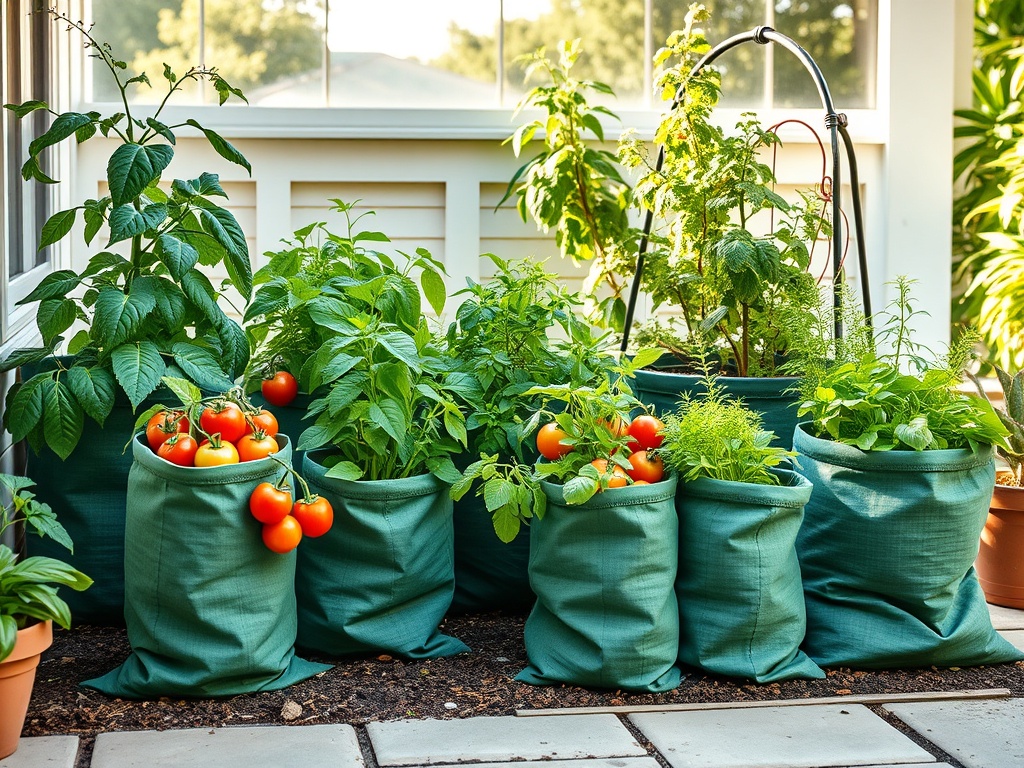

The best grow bag is not simply the biggest or thickest one. Choose a bag by matching its volume, depth, material, drainage, and placement to the vegetable's root system, mature size, climate, and how often you can realistically water.
Fast Selection Guide
- Size the bag for the mature crop, not the seedling you are planting today.
- Expect porous fabric to drain and dry differently from rigid plastic containers.
- Use a high-quality container mix rather than dense garden soil.
- Plan for weight, wind, irrigation, and end-of-season storage before filling the bag.
Why Grow Bag Choice Affects Plant Care
Grow bags are porous containers made from natural fibers, synthetic materials, or blends. University of Maryland Extension's guide to growing vegetables in containers and fabric bags notes that fabric bags are lightweight, reusable, and available in many sizes. Their drainage and exposed sidewalls can change how quickly the growing medium dries, so crop size, climate, irrigation, and placement still matter.
Gather the Basics Before Buying
Write down the crops you plan to grow, available sun, floor space, water access, and the support each mature plant may need. A tape measure helps confirm bag dimensions and patio clearance. Plan for container mix, mulch if appropriate, a watering method, and a stable support or trellis before filling large bags.
Step 1: Start With the Vegetable
Group crops by mature root and canopy size rather than by seedling size. Leafy greens, scallions, radishes, and many herbs can use less volume than full-size tomatoes, cucumbers, squash, or eggplant.
University of Maryland Extension gives general container-size examples ranging from small containers for compact vegetables to larger volumes for vigorous crops. Treat those figures as starting points rather than yield guarantees. When space allows, more root volume can buffer moisture and nutrient changes, but it also creates a heavier container.
Step 2: Compare Diameter and Depth, Not Just Gallons
Bags with the same labeled volume can have different shapes. Match depth and diameter to the crop: root vegetables need useful depth, tall fruiting crops benefit from a stable base, and greens can use wider surface area.
Check actual dimensions before buying, especially for balconies, shelves, and narrow patios. A gallon label alone does not tell you whether the bag fits the available footprint.
Step 3: Evaluate Fabric and Construction
Look for dense, evenly stitched fabric, reinforced seams, and handles that do not pull loose when the empty bag is flexed. Do not assume handles are designed to lift a fully saturated container.
There is no universal fabric thickness that is best for every climate. Highly breathable material may dry faster in hot wind, while quick drainage can be useful in wetter conditions. If pest prevention is part of your container setup, a home IPM plan can help you monitor problems without routine spraying.
Step 4: Plan the Growing Medium
Do not fill a grow bag with dense yard soil alone. Penn State Extension recommends a soilless container mix in its guide to container vegetable gardening, because container roots need both moisture and air space.
A potting mix formulated for vegetables is a straightforward choice. Fill large bags where they will be used when possible; after watering, they can be difficult to move safely.
Step 5: Check Sun and Surface Conditions
Place bags according to the crop's light needs rather than patio convenience. Also consider the surface below: dark paving can heat strongly, decks may need protection from drainage, and roots can sometimes grow through fabric placed directly on soil.
If the bags share a patio used for guests, the outdoor entertaining checklist can help you keep walking paths and service zones clear. Any stand or riser should be broad and stable enough for a wet container.

Step 6: Design the Watering Routine Before Planting
Fabric containers can dry quickly during hot or windy weather. University of Minnesota Extension's container watering guidance notes that containers may need frequent watering while prolonged waterlogging also causes problems.
Choose the watering method before plants become large. Hand watering works for a few bags; drip irrigation can help with larger groups when emitters wet the root zone evenly. Mulch may reduce evaporation where appropriate. A meter can assist, but moisture-meter readings should be checked against soil feel, pot weight, and plant needs.
Step 7: Match Supports to the Bag
Tall tomatoes, pole beans, cucumbers, and other climbing or top-heavy crops need support. A thin stake pushed into a soft bag may lean because the bag wall offers little structural resistance.
Use a cage, freestanding trellis, railing system, or anchored support appropriate to the site. Install support early so you do not damage a mature root system later. On balconies and rooftops, wind exposure deserves special attention, and any attachment to a building should follow property rules and local safety requirements.
A Simple Comparison Table
| Factor | Smaller Bag | Larger Bag | What to Consider |
|---|---|---|---|
| Root space | Limited | Greater | Match mature crop size |
| Water buffer | Changes faster | Usually more stable | Climate and irrigation routine matter |
| Portability | Easier when partly filled | Difficult when wet | Do not rely on handles alone |
| Footprint | Fits tight areas | Needs more floor space | Check actual dimensions |
| Support needs | Can tip with tall crops | Broader base may help | Use independent staking when needed |
The table describes general tendencies, not guarantees. Fabric, shape, fill level, crop canopy, and weather can change how a specific bag behaves.
Common Buying Mistakes
Common mistakes include buying only by price, choosing a size that fits the seedling but not the mature crop, or assuming breathable fabric removes drainage concerns. A grow bag still needs suitable mix and an outlet below rather than standing in water.
Avoid planning to move a mature bag routinely unless it sits on a stable wheeled platform rated for the load. On exposed sites, factor in wind and support before the crop becomes top-heavy.
Choose for the Whole Season
A useful grow bag fits the crop at maturity, works with your watering routine, stays stable in its location, and can be cleaned and stored after harvest. Treat the bag, medium, support, and irrigation method as one system.
Start with a few crop-matched bags and note how quickly they dry on your site. Use that first season to refine future sizes and watering routines.
Container-Gardening Note
This article provides general educational guidance. Crop needs, wind exposure, structural load limits, irrigation restrictions, and balcony rules vary by location. Follow seed or transplant guidance, building requirements, and local Extension recommendations when planning container size, placement, or support systems.
[BOX]
[BOX]