
Micro-cleaning works by attaching small cleaning actions to moments that already happen, such as leaving a room, waiting for a kettle, or finishing a meal. The goal is not to make the home spotless all day; it is to stop small messes from turning into large, time-consuming cleanup sessions.
The Small-Habit Method
- Pick actions that take only a few minutes and have an obvious stopping point.
- Attach each action to a repeatable cue instead of relying on motivation.
- Focus on high-friction areas such as kitchen counters, entry surfaces, bathroom sinks, and clutter drop zones.
- Keep regular cleaning separate from disinfecting, which is usually needed only in specific situations.
Why Micro-Cleaning Can Be Easier to Maintain
A home becomes untidy through accumulation: one cup left on a table, one jacket on a chair, one smear on the counter, one package placed beside the door. None is difficult on its own. The workload appears when those small tasks collect across several rooms.
Micro-cleaning reduces that accumulation by creating short reset points. It is a household-management technique, not a health requirement. The useful part is behavioral: the task is small enough to complete immediately and specific enough that you know when it is finished.
For hygiene, distinguish cleaning from disinfecting. The Centers for Disease Control and Prevention explains that regular cleaning removes dirt and most germs from household surfaces, while sanitizing or disinfecting is generally reserved for situations where additional germ reduction is needed. That distinction helps prevent routine tidying from turning into unnecessary chemical use.
Habit 1: Leave a Room With One Item
Each time you move from one room to another, carry one object that belongs closer to your destination. A glass goes toward the kitchen. A sweater goes toward the bedroom. Mail goes toward the sorting area.
The rule is intentionally small. Do not stop to reorganize the whole room. The habit works because ordinary movement through the home becomes part of the reset process.
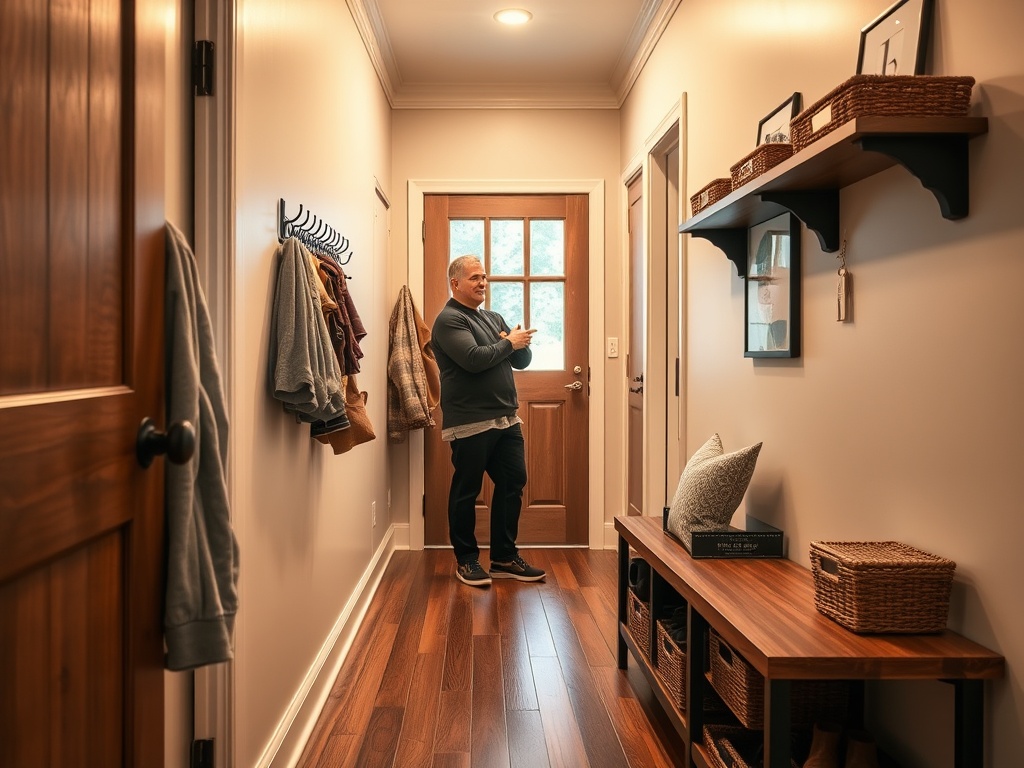
If one area repeatedly collects shoes, bags, or mail, the problem may be storage rather than discipline. Mudroom Storage Ideas for Homes Without a Mudroom shows how to create a landing zone in an entry, hallway, or wall section when a dedicated mudroom does not exist.
Habit 2: Reset One Kitchen Surface After Each Meal
Choose one surface as the non-negotiable reset, usually the main counter or dining table. Clear dishes, wipe visible spills with a product suitable for the surface, and return food to storage.
This is not a full kitchen clean. It is a way to preserve one usable workspace. Once that surface remains clear, meal preparation and deeper cleaning tend to require less setup.
Keep raw-food contamination in mind. If a surface has contacted raw meat, poultry, or their juices, follow appropriate food-safety cleaning and sanitizing guidance rather than treating it as an ordinary crumb wipe.
Habit 3: Use the Sink as a Daily Finish Line
At the end of the evening, remove food debris, wash or load remaining dishes, and rinse or clean the sink as appropriate for its material. A clear sink changes how the kitchen feels the next morning and prevents dishes from becoming a visual and practical bottleneck.
Avoid mixing cleaning chemicals in the sink. Read labels, rinse between incompatible products, and keep chemicals in their original containers.
For people trying to choose household cleaners with lower-hazard ingredients, the U.S. Environmental Protection Agency's Safer Choice program identifies products that meet its ingredient and performance criteria. A label such as "natural" by itself is not a reliable safety standard.
Habit 4: Wipe the Bathroom Sink After the Last Use
Keep a suitable cloth or disposable cleaning material where it is easy to reach but safely stored. After the final tooth-brushing or face-washing routine, remove obvious water, toothpaste, and residue from the sink and faucet.
This takes less time than waiting for dried buildup. It also makes the weekly bathroom clean more focused because the sink is not starting from several days of accumulated residue.
Use a product compatible with the countertop, metal finish, stone, or other surface. Acidic homemade mixtures can damage certain natural stone and finishes even when the ingredients sound mild.
Habit 5: Empty Small Trash Before It Overflows
Bathroom, office, and bedroom bins are easier to manage before contents rise above the rim. Tie emptying to a larger trash routine, such as the night before collection or whenever the kitchen bag goes out.
Keep liners nearby so replacement does not require another trip through the house. If a bin holds food, pet waste, or wet material, clean it as needed rather than relying only on a new liner.

Habit 6: Give the Entryway a Two-Minute Reset
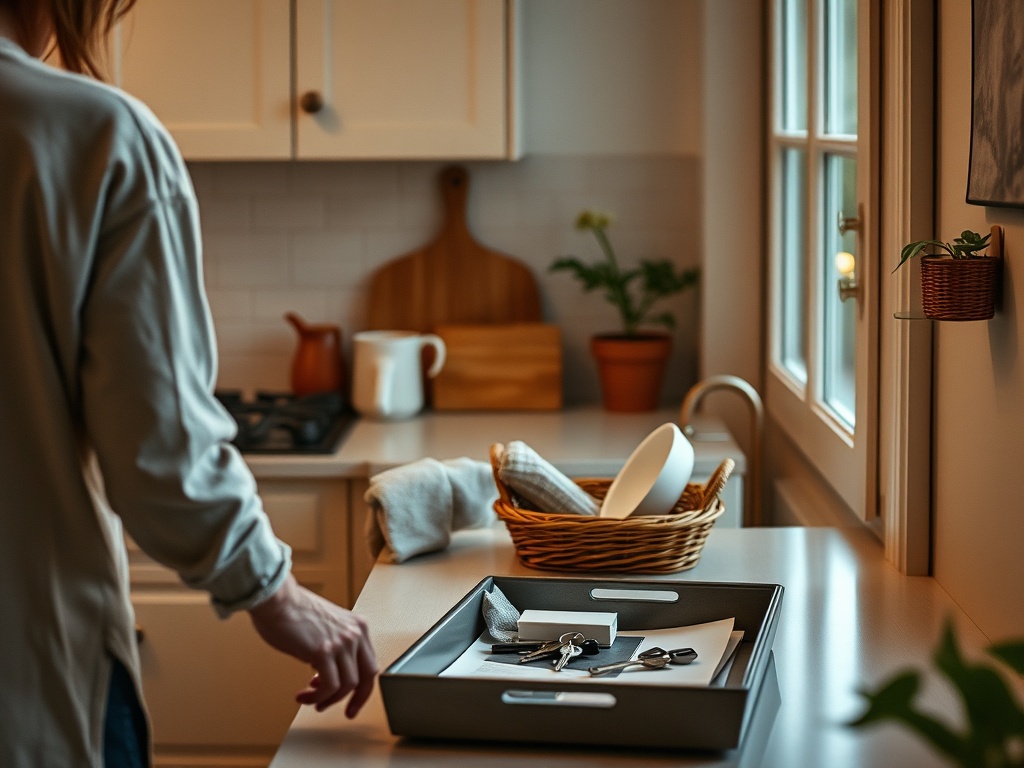
The entry is a high-friction zone because it collects the objects people drop while arriving: keys, bags, shoes, packages, umbrellas, and mail. Spend two minutes returning those items to a defined place.
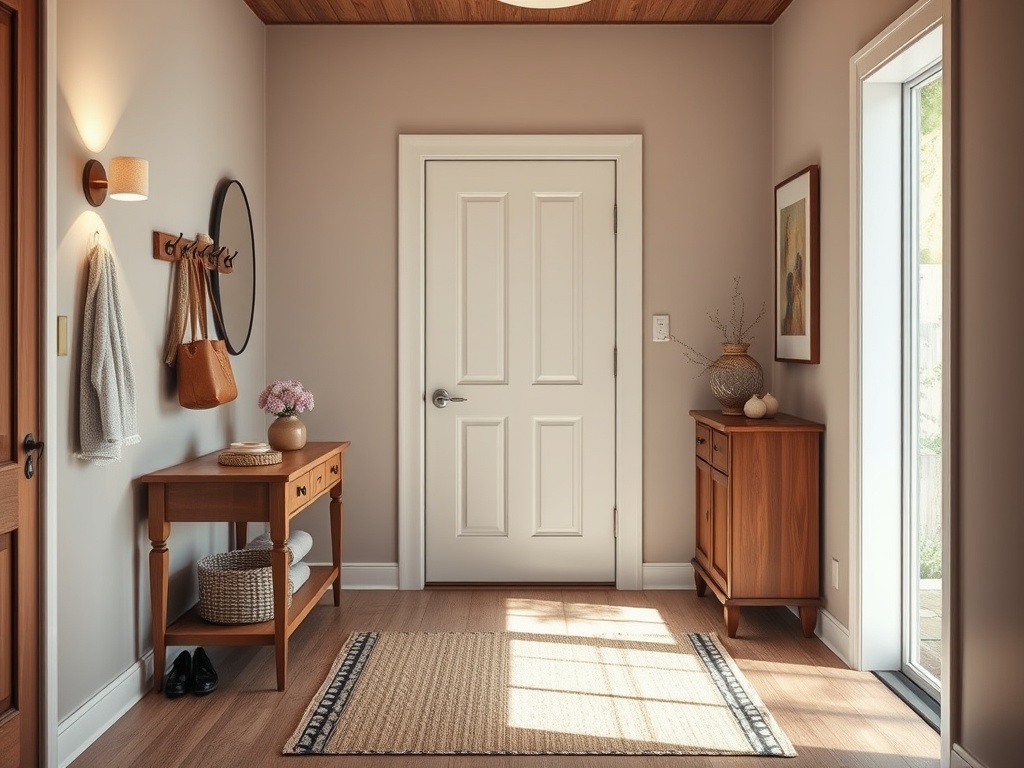
A tray can hold keys, a hook can hold the current bag, a basket can contain hats or pet supplies, and a small shoe zone can keep the walkway clear. Decorative choices are subjective, but circulation and visibility should come first. Entryway Decor Ideas That Add Function and Warmth covers ways to make the area feel welcoming without sacrificing a clear path.
Common Reasons the System Fails
Too Many Habits at Once
Start with two or three high-impact resets. Adding ten new rules in one day turns a simple system into another checklist to avoid.
Tasks Without a Stop Point
"Clean the living room" is too broad. "Return items from the coffee table" is specific. A micro-habit needs a clear finish.
Supplies Are Inconvenient
If the cloth, trash liner, or cleaner is always elsewhere, the habit will be skipped. Store a small amount near the work while following product-safety requirements.
Storage Is Already Full
Tidying cannot solve an overfilled cabinet or closet. When items have no realistic destination, schedule a separate decluttering session rather than forcing them into crowded storage.
Cleaning Becomes Constant Disinfecting
Routine household cleaning and targeted disinfecting are not the same task. Follow public-health guidance and product labels rather than using stronger chemicals automatically.
Build a Routine You Barely Notice
Micro-cleaning works when each action is small enough to attach to an existing cue: finishing a meal, brushing teeth, entering the house, or leaving a room. Keep the tasks visible, easy to complete, and tied to the place where clutter begins.
Choose two habits that solve your most frequent messes and repeat them for a week before adding more. A smaller routine that survives busy days is more useful than a detailed system that is rarely followed.
Household-Cleaning Note
This article is educational. Follow product labels, protect children and pets, ventilate as directed, and do not mix cleaning chemicals. For mold, sewage, hazardous materials, pest contamination, or other conditions that may require specialized remediation, use qualified local guidance rather than relying on a routine cleaning habit.
[BOX]
[BOX]