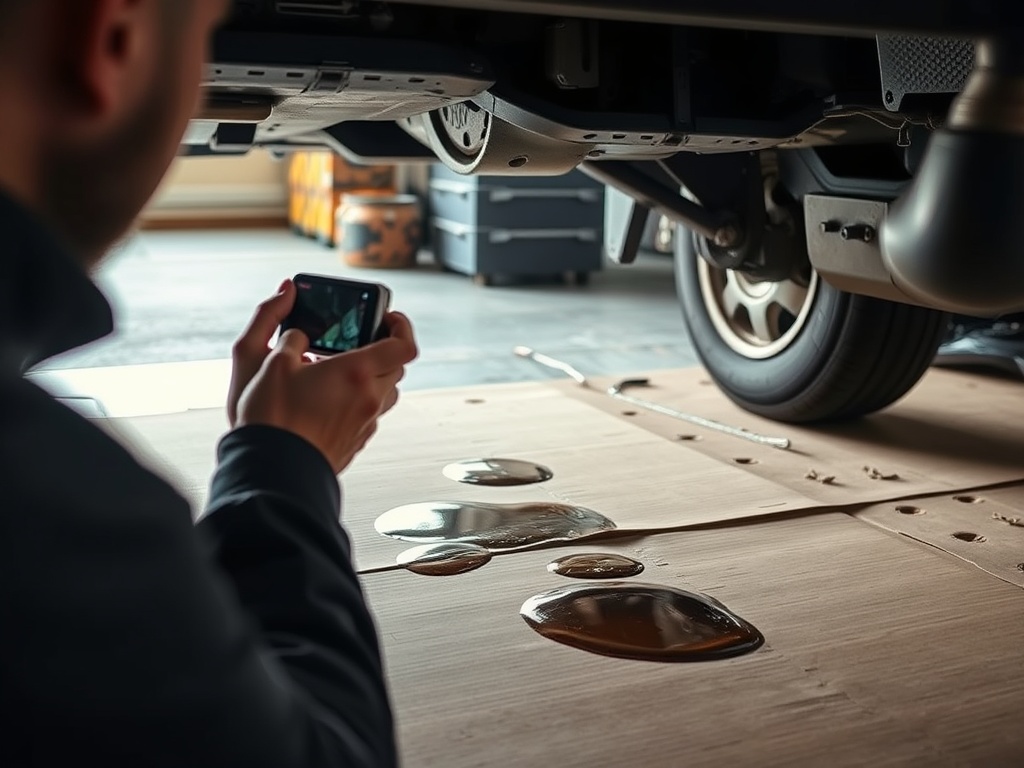

A cheap alignment can cost more later when it only adjusts the easiest angles, skips inspection, ignores worn suspension parts, or fails to provide measurements. The price is not the problem by itself; the risk is paying for an alignment that cannot hold or does not address why the vehicle went out of spec.
TL;DR: Alignment value depends on inspection quality, measurements, equipment, technician time, and whether worn parts are found first.
- A low price can be fine for a simple check, but not if the vehicle has tire wear, pulling, impact damage, or steering symptoms.
- Ask for before-and-after readings, tire condition notes, and any parts that prevent accurate adjustment.
Why Alignment Is More Than Straightening the Wheel
Wheel alignment sets the relationship between the tires, suspension, steering, and road. The common angles include toe, camber, and caster, though adjustability varies by vehicle. If those angles are off, the vehicle may pull, the steering wheel may sit crooked, or tires may wear unevenly.
NHTSA’s tire wise tire safety information is a useful reminder that tire condition, ratings, and maintenance affect safety, not only comfort.
A cheap alignment becomes a problem when it treats every vehicle as a quick toe adjustment. Some vehicles need suspension inspection first. Some need worn parts replaced before alignment. Some need steering angle sensor calibration or advanced procedures after repairs.
What Low-Cost Quotes May Leave Out
A bare-bones quote may not include a road test, tire wear inspection, suspension looseness check, printout, seized adjuster labor, camber or caster correction, shims, special bolts, or recalibration. That does not make the shop dishonest, but the estimate should clearly state what is included.
The same logic applies to headlight restoration versus replacement. A low price can be useful when it matches the real problem, but frustrating when it skips steps needed for a durable result.
If the vehicle recently hit a curb, had new tires installed, received suspension work, or shows feathered tire wear, an ultra-fast alignment may not be enough. The cause of the misalignment matters as much as the adjustment.
Alignment Quote Comparison
| Service level | Useful for | Risk if misused |
|---|---|---|
| Basic alignment check | Recent tire install with no symptoms | May miss worn parts or non-toe angles |
| Full alignment with inspection | Pulling, uneven wear, impact history | Costs more upfront but finds causes |
| Alignment after repairs | Suspension or steering parts replaced | May need calibration or extra procedures |

Warning Signs the First Alignment Did Not Solve It
Watch for the steering wheel going crooked again, the vehicle pulling after tire pressure is corrected, new tires wearing quickly, clunks over bumps, or a shop saying the numbers are close enough without explaining the printout. Alignment should be measured, not guessed.
Sometimes the alignment machine shows that an angle cannot be adjusted into range. That may point to bent parts, worn bushings, ride-height changes, collision damage, or a non-adjustable design. Paying repeatedly for alignments without fixing those causes can be more expensive than doing the inspection properly once.
How to Buy Alignment Work Smarter
Ask for before-and-after readings. Ask whether the shop inspected ball joints, tie rods, control arms, bushings, wheel bearings, tire pressures, and tire wear. Ask whether all adjustable angles were addressed or only toe. Ask whether the steering wheel was centered and whether the vehicle was road-tested.
When alignment concerns appear with warning lights or steering data, a shop may also need diagnostic context similar to freeze frame data use rather than a purely mechanical adjustment.
A fair alignment is not always the lowest number on the coupon. It is the service that explains what was measured, what was corrected, and what still needs attention.
Alignment Details Worth Paying For
A good shop should explain what was inspected, what was measured, and what is still uncertain. That distinction matters because a symptom can be obvious while the root cause is not. A visible leak, warning light, noise, or poor driving feel is only the starting point. The repair plan should connect the symptom to test results, vehicle history, and the risk of waiting.
For alignments, ask what prevented the vehicle from staying aligned in the first place. New settings are useful only if the suspension can hold them. Tire pressure, damaged wheels, worn joints, ride height changes, and collision history can all affect the final result.
The alignment printout should be explained in plain language. Green numbers do not always tell the whole story if the vehicle still pulls, the steering wheel is off-center, or the tires are worn unevenly. Ask what the measurements mean for your actual complaint.
Tires can hide or create alignment symptoms. A pull may come from tire conicity, mismatched pressure, uneven tread, or internal tire damage. A good shop should check tire condition before promising that alignment alone will solve every steering concern.
After the alignment, pay attention during the first few drives. The steering wheel should be centered on a level road, the vehicle should track predictably, and tire wear should stabilize over time. If symptoms remain, return with the printout and a clear description rather than buying another blind adjustment.
Before the appointment, write a short version of the concern in your own words. For alignment service, the most useful description includes when the problem started, what changed recently, and what makes it better or worse. This prevents the repair conversation from becoming too broad. A focused complaint helps the advisor choose the right inspection path and helps the technician avoid spending paid time on unrelated systems.
During the estimate review, ask the shop to connect the recommendation to evidence. For a pulling or tire-wear concern, that evidence may include before-and-after readings, tire pressure, worn parts, road test, and steering wheel position. A recommendation can still involve judgment, but the facts behind that judgment should be visible. If the shop cannot show or explain the evidence, ask whether more diagnostic time is needed before parts are approved.
After the work is complete, compare the invoice with the original concern. The best repair record should show the complaint, cause, correction, and any remaining watch items. If the service solved the immediate problem but uncovered a separate issue, ask for that second issue to be listed as a recommendation rather than quietly blended into the completed repair. This keeps your maintenance history clean and makes future decisions easier.
If you are buying new tires, ask whether alignment should be performed before or immediately after installation. The answer depends on tire wear, vehicle behavior, and suspension condition. Protecting new tires is often where a careful alignment pays for itself, because uneven wear can shorten tire life long before tread depth looks obviously low.
A shop that takes alignment seriously should be willing to explain limits. If a bent part, worn joint, seized adjuster, or tire problem prevents a clean result, that finding is not bad news; it is the reason the first adjustment may not hold.
That explanation helps you decide whether you need adjustment, repair, tires, or a more complete steering and suspension inspection before spending again.