
Backfiring or popping under load usually means combustion, fuel delivery, ignition timing, exhaust flow, or air measurement is not behaving correctly when the engine is working hard. It may be minor, but repeated popping under acceleration can point to problems that deserve proper diagnosis before damage spreads.
TL;DR: Under-load popping is different from a harmless exhaust burble because it appears when the engine is being asked to produce power.
- Likely causes include misfires, lean conditions, ignition faults, exhaust leaks, fuel delivery issues, or timing-related problems.
- Avoid guessing at parts; a shop should test the conditions that reproduce the sound.
Why Load Changes the Clues
An engine can idle smoothly and still struggle under load. When you accelerate, climb a hill, tow, or merge onto a highway, the engine needs more air, fuel, spark energy, and exhaust flow. A weak component that barely passes at idle may fail when demand rises. That is why the phrase under load matters.
A pop can happen through the intake or exhaust depending on when and where unburned fuel ignites. It may be linked to a misfire, lean mixture, bad ignition coil, cracked plug, clogged injector, exhaust leak, restricted catalytic converter, sensor error, or mechanical timing issue. The sound alone rarely proves the cause.
What a Shop Should Rule Out First
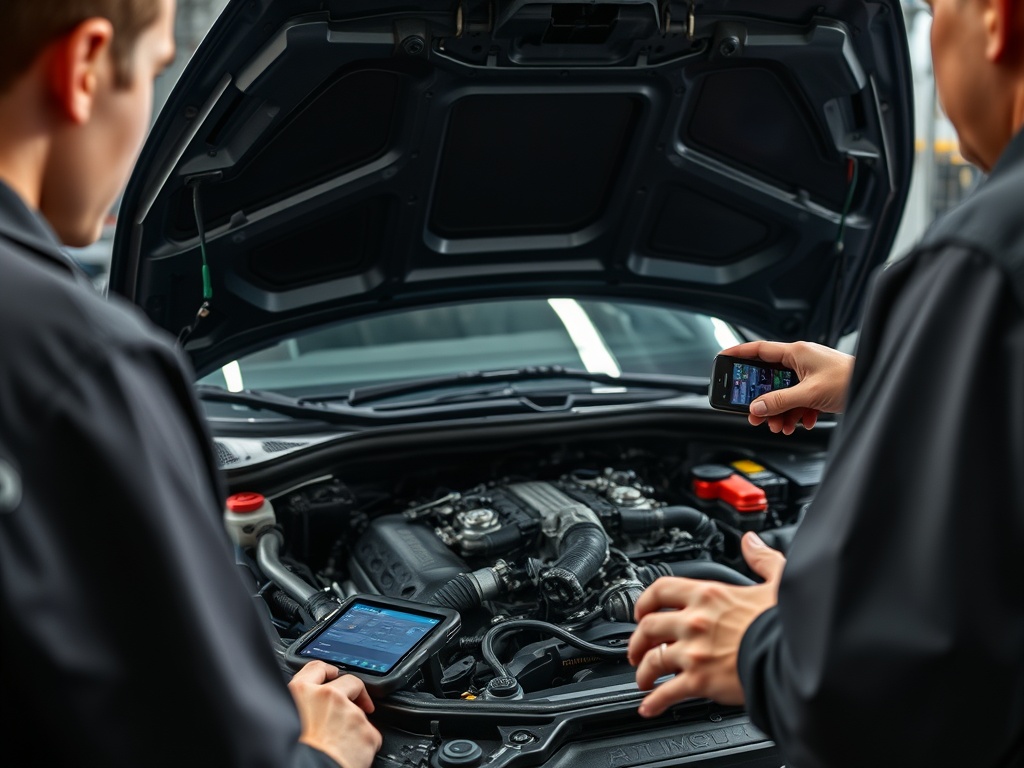
A useful diagnostic path begins with codes and freeze frame data, then checks ignition, fuel trims, fuel pressure, intake leaks, exhaust leaks, and mechanical basics. If the issue only happens during a road test, the technician may need to record live data under the same conditions instead of revving the engine in the bay.
EPA guidance on exhaust system repair underscores that emission-control parts such as catalytic converters are regulated, so exhaust-related repairs should avoid shortcuts that remove or bypass required components. See the EPA’s exhaust system repair guidance for the compliance backdrop.
If a warning light is present, freeze frame data can help show whether the fault appeared during idle, cruise, or load.
Temporary Steps Versus Proper Repair
| Possible cause | Common clue | Why testing matters |
|---|---|---|
| Ignition misfire | Popping, hesitation, flashing light | A coil, plug, wire, or control issue can mimic fuel trouble |
| Lean fuel condition | Surge or pop under acceleration | Vacuum leaks, weak pump, or sensor errors need different fixes |
| Exhaust restriction or leak | Heat, odor, poor power | Repairs may involve regulated emissions parts |
When the Problem Becomes Urgent
Treat popping as urgent if the check engine light is flashing, power drops sharply, the exhaust smells unusually hot, the vehicle hesitates in traffic, or the sound appears with overheating. A flashing light often indicates an active misfire that can damage the catalytic converter. In that situation, continuing to drive can turn a smaller problem into a larger repair.
Temporary steps include reducing load, avoiding hard acceleration, and scheduling diagnosis. Temporary steps do not include removing emissions equipment, ignoring a flashing warning light, or repeatedly clearing codes. If the issue follows recent work, such as spark plugs, fuel service, exhaust repair, or software update, tell the shop exactly when the symptom began.
What to Monitor After the Fix
After repair, monitor cold starts, hill climbs, highway merging, fuel economy, warning lights, and unusual exhaust odor. Ask the shop what was tested after the fix. A proper repair should be verified under the conditions that created the symptom, not only by clearing codes in the parking lot.
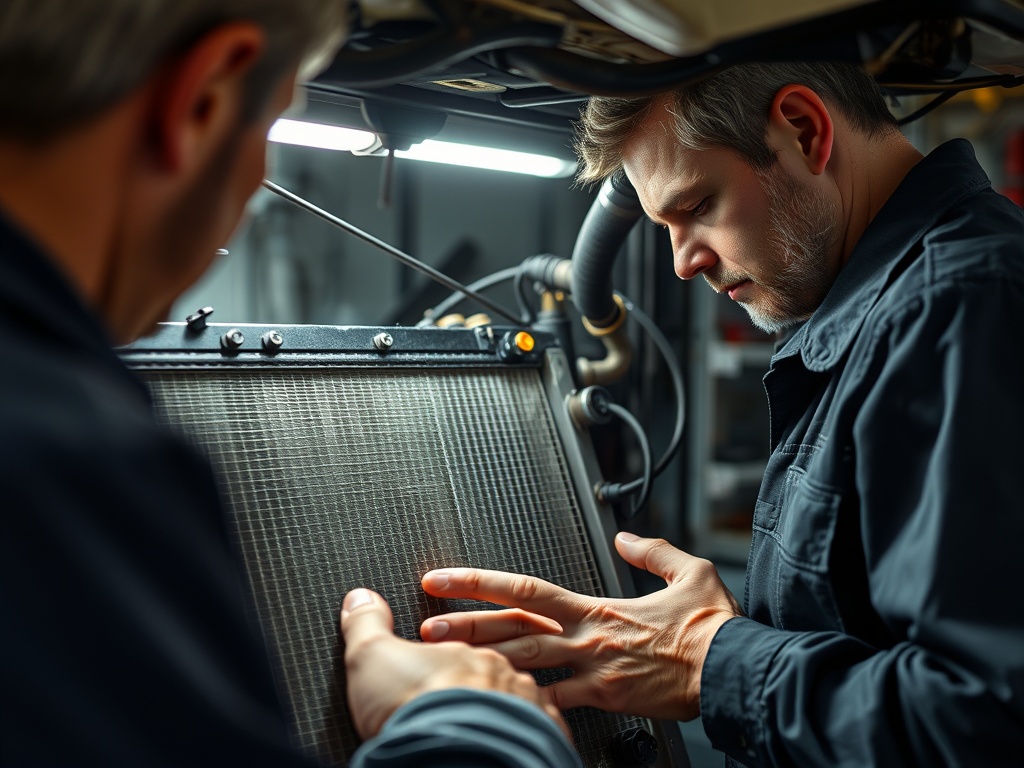
If the sound appears alongside leaks or overheating, connect the concern with basic radiator service knowledge and fluid checks before assuming it is only an ignition issue.
The next step is to describe the sound, when it happens, and what changed recently. That gives the diagnostic process a clean starting line.
Diagnosis Notes to Share With the Shop
A good shop should explain what was inspected, what was measured, and what is still uncertain. That distinction matters because a symptom can be obvious while the root cause is not. A visible leak, warning light, noise, or poor driving feel is only the starting point. The repair plan should connect the symptom to test results, vehicle history, and the risk of waiting.
For popping or backfiring, do not ignore patterns. Note fuel level, weather, speed, gear, engine temperature, and whether it happens after recent fuel or repairs. Patterns help separate a random noise from a repeatable fault that can be tested under controlled conditions.
A backfire diagnosis should also consider recent changes. New spark plugs, a replaced sensor, exhaust work, fuel system cleaning, software updates, or intake repairs can all change how the engine behaves. Tell the shop what happened before the symptom began, even if it seems unrelated.
Fuel quality can be part of the story, but it should not become a catch-all excuse. If the symptom started immediately after a fill-up, the shop may consider contamination or wrong fuel. If it has persisted across several tanks, the test plan should move toward ignition, fueling, airflow, exhaust, or mechanical checks.
After repair, ask what condition was used to verify the fix. If the pop happened only under heavy acceleration, a short idle test does not prove much. The technician may need a safe road test or data recording session that recreates the load without abusing the vehicle.
Before the appointment, write a short version of the concern in your own words. For backfire diagnosis, the most useful description includes when the problem started, what changed recently, and what makes it better or worse. This prevents the repair conversation from becoming too broad. A focused complaint helps the advisor choose the right inspection path and helps the technician avoid spending paid time on unrelated systems.
During the estimate review, ask the shop to connect the recommendation to evidence. For a under-load drivability complaint, that evidence may include fuel level, road condition, engine temperature, recent work, and warning-light status. A recommendation can still involve judgment, but the facts behind that judgment should be visible. If the shop cannot show or explain the evidence, ask whether more diagnostic time is needed before parts are approved.
After the work is complete, compare the invoice with the original concern. The best repair record should show the complaint, cause, correction, and any remaining watch items. If the service solved the immediate problem but uncovered a separate issue, ask for that second issue to be listed as a recommendation rather than quietly blended into the completed repair. This keeps your maintenance history clean and makes future decisions easier.
Do not let the word backfire push the conversation toward exhaust parts only. Intake leaks, ignition weakness, fuel pressure, valve timing, and sensor data can all shape the symptom. A careful shop should keep the test plan broad at first, then narrow it as evidence rules systems in or out.
If the vehicle feels unsafe under acceleration, do not keep testing it yourself to prove the symptom. A controlled professional road test with data recording is safer than repeated hard acceleration on public roads.
A written symptom timeline can be as useful as a scan because it tells the technician when to reproduce the concern and when not to chase unrelated noises.