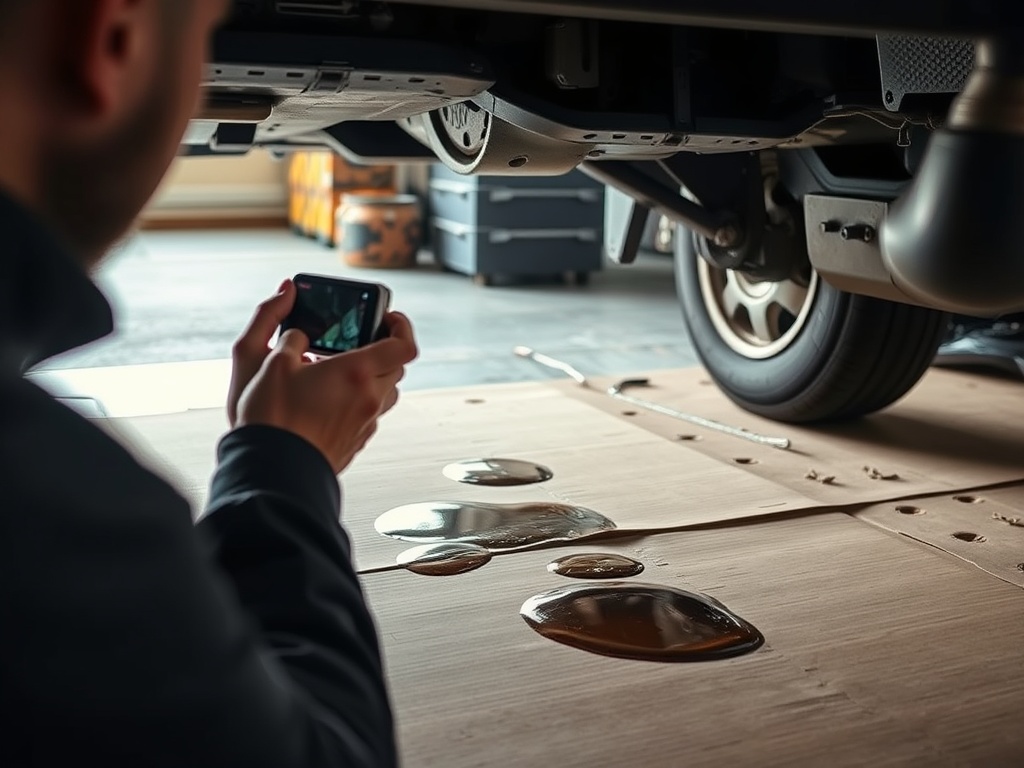

Freeze frame data helps shops diagnose faster because it records a snapshot of vehicle conditions when an emissions-related fault code was stored. Instead of chasing a warning light blindly, technicians can see clues such as engine load, temperature, speed, fuel trim, and RPM at the moment the problem appeared.
TL;DR: Freeze frame data is not a repair by itself; it is a clue that helps build a test plan.
- It is most useful for intermittent issues, misfires, fuel mixture faults, sensor faults, and emissions-related codes.
- Clearing codes too early can erase helpful data and make the next diagnostic visit slower.
What the Snapshot Can Tell a Technician
A diagnostic trouble code identifies the system that detected an issue. Freeze frame data adds context. For example, a lean fuel code at idle points the technician in a different direction than the same code under heavy load. A misfire at cold start suggests a different test path than a misfire after the engine is fully warm.
Federal OBD rules describe systems that detect emission-control malfunctions, store trouble codes, and alert operators, and the current eCFR OBD regulation gives useful background on why standardized diagnostic information exists.
The data is not always complete. Some vehicles store one freeze frame, others store enhanced manufacturer-specific information, and some aftermarket scan tools show less detail than factory equipment. A good technician treats the snapshot as a starting point, then verifies it with live data, inspections, and tests.
Why It Can Shorten the Diagnostic Path
Without freeze frame data, a shop may need to recreate the problem from scratch. That can mean road tests, cold starts, heat-soak tests, or waiting for the fault to return. With the snapshot, the technician can focus on the conditions that triggered the code. If the vehicle was at highway speed, idling in traffic, or climbing under load, the test plan changes.
This is why keeping repair documentation from diagnostic visits matters. A stored screenshot or printed report can help the next technician understand the earlier conditions instead of starting over.
Freeze frame data is especially helpful when a driver describes a vague complaint such as hesitation, a stumble, or a warning light that comes and goes. It turns a memory into a measurable event.
What Data Points Commonly Matter
| Freeze frame clue | What it may suggest | What still needs testing |
|---|---|---|
| High load, high RPM | Issue appears under demand | Fuel delivery, ignition strength, exhaust restriction |
| Cold engine | Fault appears during warm-up | Coolant sensor data, intake leaks, misfire counters |
| Idle condition | Problem appears at low airflow | Vacuum leaks, throttle body, fuel trims, EVAP effects |
Where Drivers Accidentally Slow Things Down
The most common mistake is clearing codes before a shop sees the vehicle. Some drivers do this after watching a quick online tip or using a basic scan tool. The warning light may disappear, but the useful context may disappear with it. If the problem is intermittent, the shop may need to wait until the code resets.
Another mistake is replacing parts based only on the code name. A sensor code does not always mean the sensor is bad. Wiring, vacuum leaks, fuel pressure, exhaust leaks, software updates, or mechanical faults can all trigger readings that point toward a sensor. The freeze frame helps decide which test comes first.
A Smarter Way to Use Scan Results
If your check engine light comes on, write down what the vehicle was doing: speed, weather, fuel level, load, recent fuel stop, and whether the engine was cold or hot. Do not erase codes unless you have captured the data and understand the tradeoff. Bring previous invoices, especially if the same system was serviced recently.
For symptoms that happen under acceleration, such as popping or hesitation, freeze frame clues can support the diagnostic path for backfiring under load without guessing at ignition, fuel, or exhaust parts first.
Ask the shop what the code, freeze frame, and live tests suggest together. That question separates a scan from a diagnosis. The best next step is not the fastest part swap; it is the test that confirms the fault before money is spent.
Data Habits That Help the Technician
A good shop should explain what was inspected, what was measured, and what is still uncertain. That distinction matters because a symptom can be obvious while the root cause is not. A visible leak, warning light, noise, or poor driving feel is only the starting point. The repair plan should connect the symptom to test results, vehicle history, and the risk of waiting.
For diagnostics, ask the shop to explain which data point changed the test plan. If the answer is specific, such as fuel trim under load or coolant temperature at the fault, you are hearing a diagnostic process. If the answer is only the code said so, ask what confirms the part is actually bad.
Freeze frame data is most helpful when it is tied to the driver complaint. If the driver says the vehicle stumbles only on cold mornings and the data shows the fault set after a warm highway drive, the technician must account for that mismatch. The data may reveal a second problem or show that the remembered conditions were incomplete.
Enhanced scan tools may show manufacturer-specific data beyond the generic OBD snapshot. That can matter on newer vehicles with complex fuel, ignition, turbocharging, hybrid, or transmission controls. Still, the principle stays the same: data suggests a direction, then physical and electrical tests confirm the cause.
A clear diagnostic invoice should explain more than the code number. It should summarize the complaint, code, relevant data, tests performed, and the reason for the recommended repair. That record helps if the same warning light returns later, because the next technician can see what was already ruled out.
Before the appointment, write a short version of the concern in your own words. For scan-based diagnosis, the most useful description includes when the problem started, what changed recently, and what makes it better or worse. This prevents the repair conversation from becoming too broad. A focused complaint helps the advisor choose the right inspection path and helps the technician avoid spending paid time on unrelated systems.
During the estimate review, ask the shop to connect the recommendation to evidence. For a intermittent warning light, that evidence may include code, freeze frame, live data, road-test condition, and tests performed. A recommendation can still involve judgment, but the facts behind that judgment should be visible. If the shop cannot show or explain the evidence, ask whether more diagnostic time is needed before parts are approved.
After the work is complete, compare the invoice with the original concern. The best repair record should show the complaint, cause, correction, and any remaining watch items. If the service solved the immediate problem but uncovered a separate issue, ask for that second issue to be listed as a recommendation rather than quietly blended into the completed repair. This keeps your maintenance history clean and makes future decisions easier.
One more practical detail: freeze frame data can age quickly in usefulness if more faults are created afterward. If you keep driving for weeks after the light appears, the original snapshot may still matter, but new codes or symptoms can change the picture. Tell the shop how long the light has been on and whether the vehicle has been driven hard since then.
When a shop uses the data well, the conversation should feel narrower after testing. The goal is not more technical language; it is a clearer reason for the next step.
Good diagnosis should reduce uncertainty rather than simply rename the warning light.