
Article Snapshot
Parents should handle conflicts with coaches by pausing first, clarifying the real concern, choosing the right time, and asking specific questions instead of starting with accusations. The goal is to protect the child’s development and safety while keeping communication respectful and useful.
TL;DR: Do not confront a coach in the heat of a game. Ask what happened, separate playing-time frustration from safety concerns, document serious issues, and involve program leadership when the concern affects welfare, fairness, or policy.
Why timing changes the whole conversation
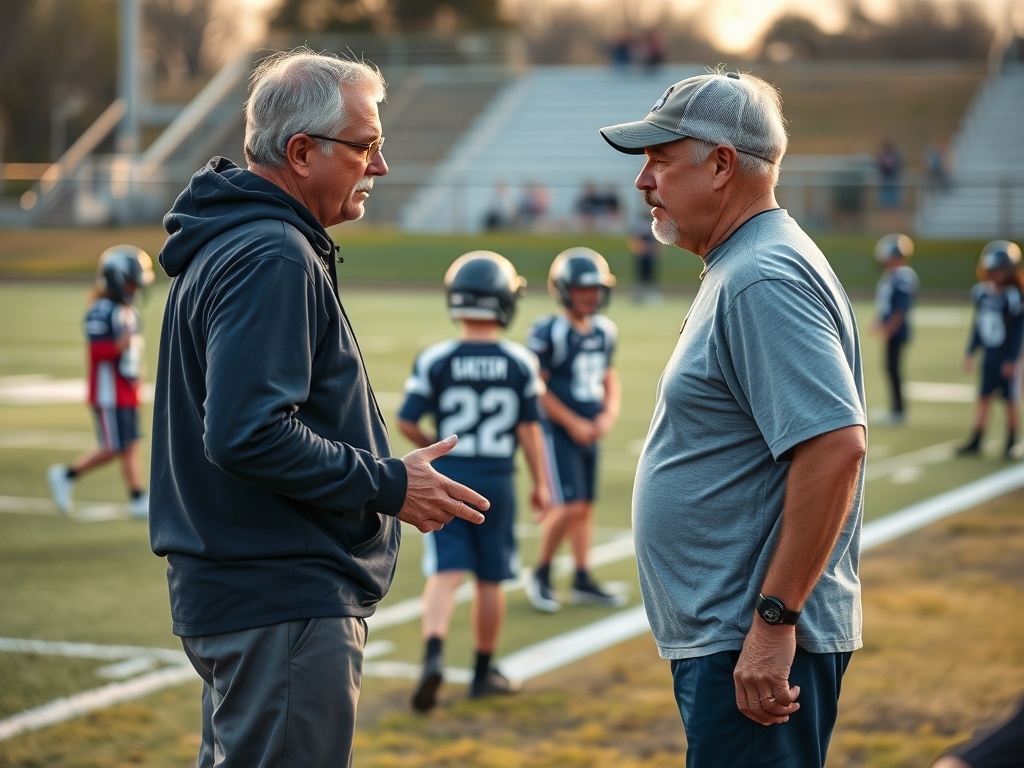
Most parent-coach conflicts get worse when they happen immediately after a game. Emotions are high, details are incomplete, and the child may be embarrassed by a public exchange. Waiting 24 hours, unless safety is involved, often produces a clearer conversation.
The purpose is not to avoid accountability. It is to improve the odds that the coach can listen and the parent can speak clearly. A rushed sideline confrontation usually turns into a debate about tone. A scheduled conversation can focus on the athlete’s experience and the next step.
This communication principle also applies inside teams. The article on coaching introverts and extroverts explains why the way feedback is delivered can determine whether it creates improvement or defensiveness.
First, define the actual concern
Before contacting the coach, write down the concern in one sentence. Is it about safety, bullying, communication, playing time, position, fairness, workload, injury handling, or the child’s confidence? These categories require different responses.
Playing-time concerns are common, but they should be framed around development. Instead of saying, “Why is my child not playing more?” ask, “What specific skills or habits should my child improve to earn a larger role?” That question invites a plan.
Safety concerns are different. If a coach ignores injuries, uses humiliating language, permits hazing, or violates communication boundaries, the parent should document details and follow the organization’s reporting process. The U.S. Center for SafeSport offers guidance on creating safer sport settings, including its resource on parents as youth sports coaches.
Talk to your child without leading the answer
Children often feel caught between loyalty to the team and trust in the parent. Start with open questions: “What happened from your view?” “How did that make you feel?” “What do you want help with?” Avoid feeding the child a conclusion before hearing their experience.
Some children want a parent to intervene. Others want advice on how to speak to the coach themselves. Older athletes may benefit from practicing the conversation and taking the first step, while younger children may need a parent to advocate more directly.
The parent’s role is to support growth, not fight every uncomfortable moment. Disappointment, correction, and competition are part of sport. But fear, humiliation, unsafe training, and ignored injuries are not normal development tools.
How to write a useful message to the coach
Keep the first message short. Mention the topic, ask for a time to talk, and avoid arguing the whole case by text. Text and email can be misread, forwarded, or answered quickly without full context.
A strong message might say: “Coach, I’d like to better understand what Ava should work on to earn more minutes. Could we schedule a quick call this week?” For safety issues, it might say: “I’m concerned about what happened at practice on Tuesday and would like to discuss the safety process.”

Communication with minors also has policy implications. The NFHS has discussed rules and safest practices around communication with minor athletes, noting the importance of boundaries in coach-athlete communication. Parents should know their league’s rules before assuming a private communication pattern is acceptable.
When to escalate beyond the coach
Escalation is appropriate when the coach refuses reasonable communication, when the issue involves safety or abuse, when multiple families report similar concerns, or when written policies appear to be violated. Escalation should be factual, not dramatic. Include dates, behaviors, witnesses when relevant, and what resolution you are seeking.
Avoid building a parent coalition around rumors. If several families have concerns, encourage each to report direct observations. Programs can address patterns better when they receive specific information rather than general anger.
Also avoid using escalation to force a lineup change. Program leaders should not be put in the position of refereeing every role disagreement. Ask for development criteria, not guaranteed outcomes.
Help the child learn from the process
After the conversation, bring the focus back to the athlete. What did the coach say to work on? What is inside the child’s control? What support is needed at home? This turns conflict into a development plan.
If the issue involved workload, recovery, or stress, the guide on women athletes and recovery structure has principles that apply broadly: performance improves when training stress, energy, and recovery are balanced. Parents can use that lens for children too, with age-appropriate support.
Protect the relationship while protecting the athlete
A good parent-coach conversation is calm, specific, and child-centered. It does not ignore serious concerns, and it does not turn every frustration into a battle.
Pause, clarify, ask, document, and escalate only when needed. That approach gives the child the best chance to stay safe, learn responsibility, and keep sport from becoming a constant adult conflict.