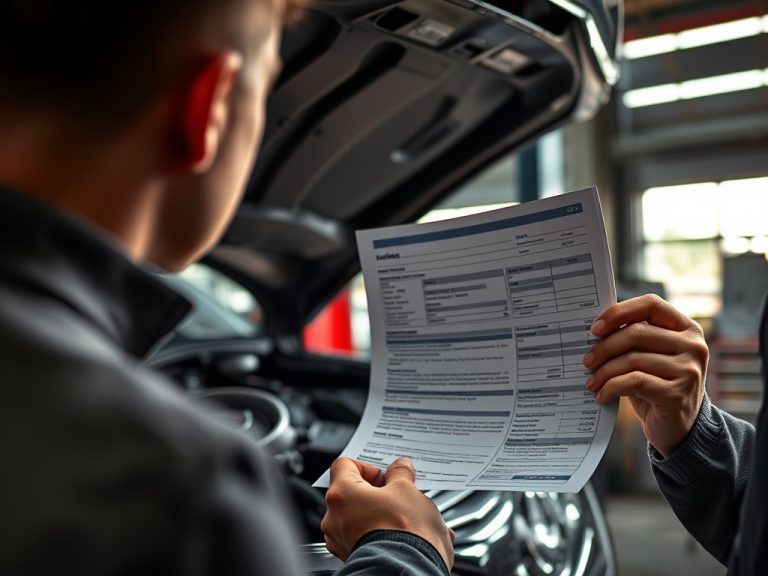
A clutch inspection should confirm the complaint, check hydraulic or cable operation, look for leaks, assess pedal feel, test engagement, inspect related drivetrain symptoms, and explain what must be disassembled before a final repair can be confirmed. Approval should be based on evidence, not only on the phrase needs a clutch.
TL;DR: Clutch problems can come from the disc, pressure plate, flywheel, release bearing, hydraulics, cable, linkage, mounts, or driver-use conditions.
- Some checks are external, but final confirmation may require transmission removal.
- Ask what was verified before approving a repair, and what additional findings may appear after teardown.
What the Inspection Is Trying to Prove
The clutch connects and disconnects engine power from the transmission in a manual vehicle. When it slips, grabs, chatters, sticks, smells burnt, or changes pedal feel, the cause may be inside the clutch assembly or in the control system that operates it. A proper inspection narrows the possibilities before the vehicle is taken apart.
A road test can reveal slipping under load, vibration during takeoff, abnormal release point, grinding shifts, or noise that changes when the pedal is pressed. A bay inspection can check fluid level, leaks, master and slave cylinder operation, linkage movement, cable adjustment where applicable, engine or transmission mounts, and visible contamination.
External Checks Before Teardown
Before approving major labor, ask what can be checked without removing the transmission. Hydraulic leaks, low fluid, air in the system, worn pedal components, and external linkage issues may create symptoms similar to a worn clutch. That does not mean the clutch is fine; it means the diagnosis should be staged logically.
If the vehicle has fluid spots, use fluid leak color, smell, and location clues to describe what you saw before the inspection.
The shop should also ask about recent towing, hill driving, performance modifications, new drivers, or prior clutch work. Usage history does not blame the driver; it helps interpret wear patterns and decide whether related parts should be checked.
What May Be Found After Removal
| Inspection area | What it can reveal | Why it affects approval |
|---|---|---|
| Pedal and hydraulic system | Leaks, air, weak cylinders, poor release | May be separate from clutch-disc wear |
| Road test | Slipping, chatter, engagement point, noise | Confirms symptom under real load |
| Teardown inspection | Disc wear, flywheel damage, release bearing failure | Finalizes parts list and warranty logic |
Questions That Prevent Surprise Invoices
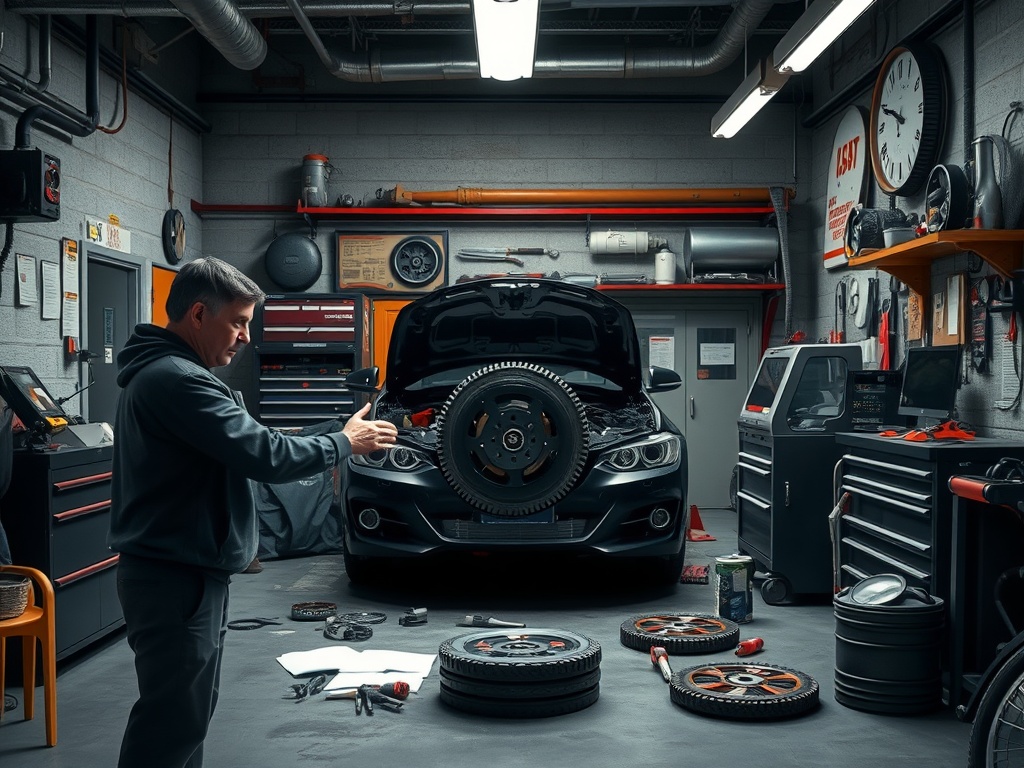
Ask whether the quote includes the clutch disc, pressure plate, release bearing, pilot bearing or bushing if applicable, flywheel resurfacing or replacement, hydraulic parts, fluids, rear main seal inspection, and any required hardware. Ask what parts are optional, what parts are recommended as best practice, and what parts are required because access is expensive.
FTC guidance on auto repair basics supports the habit of getting estimates and authorizations clearly before large repair work begins.
Also ask what happens if the flywheel is cracked, hot-spotted, dual-mass, or outside service limits. A clutch job can become more expensive after teardown because hidden wear becomes visible. That possibility should be discussed before the transmission is removed.
Approving the Repair With Eyes Open
A good approval is specific: it states what symptoms were verified, what parts are included, what parts may be added after inspection, what warranty applies, and how the vehicle will be tested after repair. Ask whether the clutch break-in or driving recommendations will be documented, especially if the warranty depends on usage.
If the vehicle also shows popping, hesitation, or poor power under load, make sure the shop considers engine backfire symptoms instead of blaming every drivability issue on the clutch.
Your next step is to ask for the inspection findings in plain language. A clutch repair can be the right call, but it should be approved with a clear understanding of what has been confirmed and what remains hidden until teardown.
Clutch Details to Confirm in Writing
A good shop should explain what was inspected, what was measured, and what is still uncertain. That distinction matters because a symptom can be obvious while the root cause is not. A visible leak, warning light, noise, or poor driving feel is only the starting point. The repair plan should connect the symptom to test results, vehicle history, and the risk of waiting.
For clutch work, remember that access drives cost. Once the transmission is out, related parts may be easier to inspect and replace. That does not mean every part must be sold automatically, but it does mean the shop should explain which parts are wise to replace while access is open.
Clutch diagnosis should separate engagement problems from shifting problems. A clutch that does not release fully can cause grinding, but so can transmission synchronizer issues or hydraulic faults. A clutch that slips under load may feel different from an engine misfire or loss of power. The road test should sort those clues carefully.
Flywheel decisions deserve extra attention. Some flywheels can be resurfaced, some should be replaced, and some dual-mass designs have specific limits. Ask how the shop will decide and whether the estimate already includes that possibility. Hidden flywheel issues are a common reason clutch quotes change after disassembly.
After repair, ask how the vehicle should be driven during the initial break-in period and what symptoms should prompt a return visit. Pedal feel may change compared with the worn clutch, but burning smell, severe chatter, fluid loss, or grinding should be documented and checked promptly.
Before the appointment, write a short version of the concern in your own words. For clutch inspection, the most useful description includes when the problem started, what changed recently, and what makes it better or worse. This prevents the repair conversation from becoming too broad. A focused complaint helps the advisor choose the right inspection path and helps the technician avoid spending paid time on unrelated systems.
During the estimate review, ask the shop to connect the recommendation to evidence. For a manual-transmission complaint, that evidence may include pedal feel, hydraulic condition, road-test behavior, teardown limits, and flywheel plan. A recommendation can still involve judgment, but the facts behind that judgment should be visible. If the shop cannot show or explain the evidence, ask whether more diagnostic time is needed before parts are approved.
After the work is complete, compare the invoice with the original concern. The best repair record should show the complaint, cause, correction, and any remaining watch items. If the service solved the immediate problem but uncovered a separate issue, ask for that second issue to be listed as a recommendation rather than quietly blended into the completed repair. This keeps your maintenance history clean and makes future decisions easier.
Finally, ask how the shop will handle parts that are removed. Seeing the worn clutch disc, damaged release bearing, leaking slave cylinder, or heat-marked flywheel can make the invoice easier to understand. The parts do not need to be dramatic; they just help connect the symptom to the repair you approved.
Clutch repairs are easier to approve when the shop separates confirmed faults from likely wear. That clarity helps you decide what to authorize now, what to inspect during teardown, and what to monitor after the vehicle returns.
A clear repair plan should make the teardown stage feel expected, not like a surprise sales pitch.