Before authorizing emergency repairs, ask what must be fixed now for safety, what can wait, how the shop confirmed the cause, what the written estimate includes, and whether insurance, warranty, or roadside coverage may apply. Fast approval is sometimes necessary, but rushed approval should still be informed.
TL;DR: Separate safety-critical work from convenience repairs and maintenance add-ons.
- Get the diagnosis, estimate, authorization method, and warranty terms in writing before approving large work.
- If the explanation sounds vague, ask what tests were performed and what risk you face by delaying.
Start With Safety and Mobility
Emergency repairs usually happen under pressure: the car will not start, the vehicle overheated, a tire failed, warning lights appeared, or a drivability issue made the trip unsafe. The first question is not, How cheap can this be? It is, What has to be done to make the vehicle safe to move, and what can be scheduled later?
Ask the advisor to separate immediate safety work from recommended work. A failed alternator, leaking brake hydraulic component, shredded tire, or severe coolant leak may need prompt action. A maintenance item discovered during inspection may still matter, but it should be presented as a separate decision unless it directly affects safe release of the vehicle.
The Core Questions Before You Approve
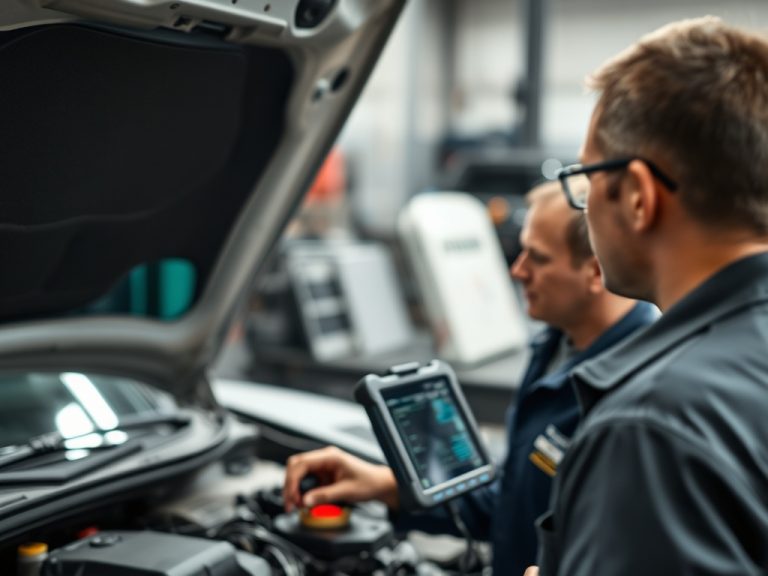
Ask: What symptom did you verify? What test confirmed the failed part or system? Is this a temporary repair or a complete repair? What happens if I decline today? Does the estimate include diagnostics, labor, parts, shop supplies, taxes, towing, programming, disposal, and warranty coverage? Can I see photos or measurements?
The FTC’s auto repair basics consumer page is a helpful reminder to ask about estimates, authorization, and your rights before repair costs grow.
If the car is at a shop far from home, ask whether the repair uses readily available parts and whether a follow-up visit may be needed. Emergency work can be practical without being perfect; the key is knowing exactly what outcome you are paying for.
Approval Checklist for Stressful Repair Calls
| Question | Why it matters | Good answer should include |
|---|---|---|
| What makes this urgent? | Separates safety from convenience | Specific risk and affected system |
| How was it confirmed? | Prevents guessing | Test result, measurement, scan data, or visual proof |
| What is included? | Avoids invoice shock | Parts, labor, fees, warranty, approval limit |
Watch for Red Flags in the Explanation
Be cautious when a shop says a part is definitely bad but cannot explain the test. Be cautious when the estimate changes without a new authorization. Be cautious when a safety claim is used to pressure you, but the shop will not describe the risk in plain language. Real safety concerns deserve clear explanations, not scare tactics.
If the emergency involves a major system, saving repair documentation for insurance, warranty, and resale can protect you later because urgent repairs often happen before you have time to organize details.
A second opinion may be smart if the vehicle is stable, towable, and the repair is expensive. But if brakes, steering, tire integrity, fuel leaks, severe overheating, or electrical smoke are involved, focus first on getting the vehicle out of danger.
A Clear Approval Script You Can Use
Try this: I approve only the work listed on this written estimate, up to this amount, using the listed parts, with the stated warranty. Please contact me before doing anything else. That sentence protects both sides. It gives the shop permission to act, but it also defines the limit.
For vehicles with software-driven systems, ask whether any software updates or calibrations are part of the emergency repair or separate from it.
Your smartest next step is to slow the conversation just enough to get facts in writing. Emergency repair decisions can be quick and still be careful.
Final Checks Before You Give Approval
A good shop should explain what was inspected, what was measured, and what is still uncertain. That distinction matters because a symptom can be obvious while the root cause is not. A visible leak, warning light, noise, or poor driving feel is only the starting point. The repair plan should connect the symptom to test results, vehicle history, and the risk of waiting.
For urgent repairs, calm wording helps. Tell the shop you understand safety matters and want to approve the right work, then ask for the immediate-risk item first. This keeps the conversation focused on getting the vehicle safe without bundling every maintenance recommendation into the same emergency decision.
Emergency repair pressure often makes people skip normal buying discipline. Slow down long enough to ask for the vehicle’s current status. Can it be driven, should it be towed, or should it remain parked? The answer affects your safety, your costs, and your ability to get another opinion.
Ask about parts availability before approving teardown. If the shop can diagnose the problem but cannot get the part for several days, you may need transportation, storage, or towing decisions. A clear schedule can matter as much as the repair price when you are stranded.
If insurance or warranty may apply, ask the shop what documentation the provider usually requests. Photos, diagnostic notes, maintenance records, and estimates may be needed before approval. Starting that file early can prevent a repair delay after the vehicle is already apart.
Before the appointment, write a short version of the concern in your own words. For emergency repair, the most useful description includes when the problem started, what changed recently, and what makes it better or worse. This prevents the repair conversation from becoming too broad. A focused complaint helps the advisor choose the right inspection path and helps the technician avoid spending paid time on unrelated systems.
During the estimate review, ask the shop to connect the recommendation to evidence. For a same-day approval decision, that evidence may include safety risk, written estimate, authorization limit, parts availability, and coverage options. A recommendation can still involve judgment, but the facts behind that judgment should be visible. If the shop cannot show or explain the evidence, ask whether more diagnostic time is needed before parts are approved.
After the work is complete, compare the invoice with the original concern. The best repair record should show the complaint, cause, correction, and any remaining watch items. If the service solved the immediate problem but uncovered a separate issue, ask for that second issue to be listed as a recommendation rather than quietly blended into the completed repair. This keeps your maintenance history clean and makes future decisions easier.
Before leaving the vehicle, remove valuables and ask how updates will be communicated. Emergency repairs can move quickly, and missed calls can delay approval. Give one primary contact method, ask for photos when helpful, and request that any additional work be paused until you respond in writing or by recorded authorization.
If the emergency repair is approved by phone, ask the advisor to repeat the approved amount, the exact work, and the next contact point before ending the call. That brief recap can prevent confusion when the final invoice is prepared.
Clear authorization protects the driver and gives the shop a clean boundary.