
Museums, labs, and archival spaces need maintenance plans that protect collections, experiments, records, and sensitive equipment, not just the building shell. The main difference is that ordinary comfort-focused maintenance must be balanced with environmental stability, contamination control, access control, and careful documentation.
TL;DR
- Stability often matters more than aggressive adjustment.
- Maintenance work must protect artifacts, samples, and records from dust, vibration, moisture, and handling risk.
- Logs, approvals, and environmental monitoring are part of the maintenance system.
Why Specialty Facilities Are Different
For supporting context, review National Park Service museum guidance, then apply the guidance through qualified project-specific review.
In a typical office, a maintenance issue may be judged by comfort complaints or equipment uptime. In a museum, lab, or archive, a small humidity swing, roof leak, dust release, pest pathway, or vibration event can create damage that is difficult to reverse. Facility teams must therefore plan work around both building needs and the materials or activities housed inside.
The National Park Service Museum Handbook provides guidance on preserving and protecting museum collections, including environmental concerns such as temperature, relative humidity, light, and pollutants. That type of source is useful because it frames maintenance as risk management, not just repair response.
Environmental Stability Comes First
HVAC maintenance in these spaces should be planned with attention to setpoint stability, sensor calibration, filter selection, condensate control, and alarm response. Sudden changes can be more harmful than gradual, controlled adjustments for some collections or sensitive processes. Maintenance teams should coordinate with curators, lab managers, archivists, or conservation staff before making changes that affect the indoor environment.
Specialty spaces may also need separate response plans for outages. A chiller failure in a standard office is uncomfortable. A failure in an archive or lab may require temporary environmental controls, relocation plans, or emergency monitoring.
Dust, Vibration, and Access Need Controls
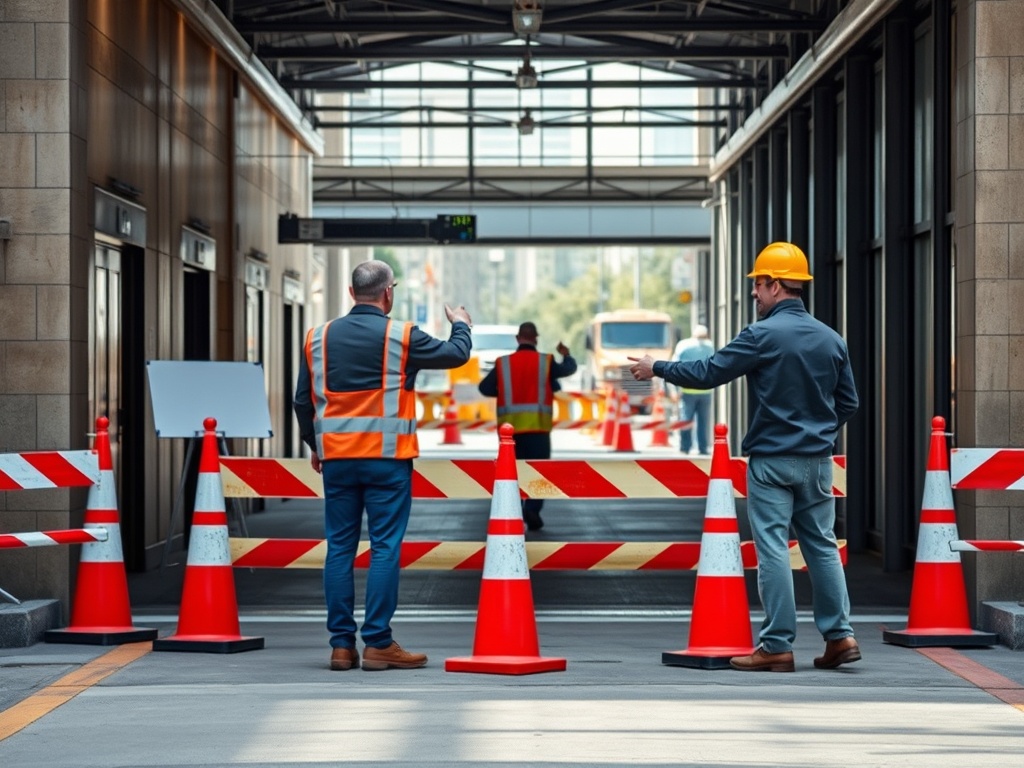
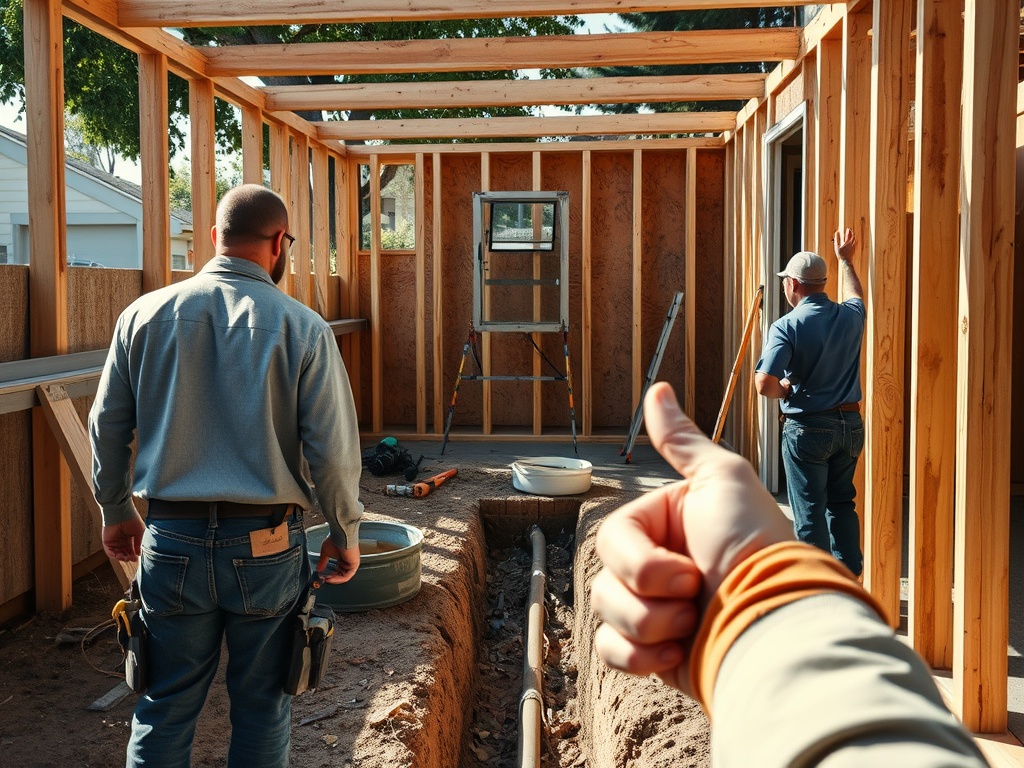
Routine work can introduce risks. Ceiling tile removal may release dust. Drilling can create vibration. Cleaning chemicals can affect sensitive materials. Propped doors can undermine security or environmental zoning. A specialty maintenance plan should define containment, work hours, escort needs, tool restrictions, and cleaning procedures before work begins.
For complex owner workflows, specialty maintenance planning can connect back to commissioning because turnover documents should identify sensitive systems, alarm priorities, and environmental requirements.
Labs Add Safety and Contamination Issues
Laboratories may involve exhaust systems, fume hoods, gases, specialty plumbing, emergency showers, eyewash stations, controlled storage, and strict access protocols. Maintenance personnel should not assume that a room can be entered or equipment can be shut down without authorization. The checklist should identify who approves work, what isolation is required, and what documentation is needed after service.
Archives Require Moisture and Pest Awareness
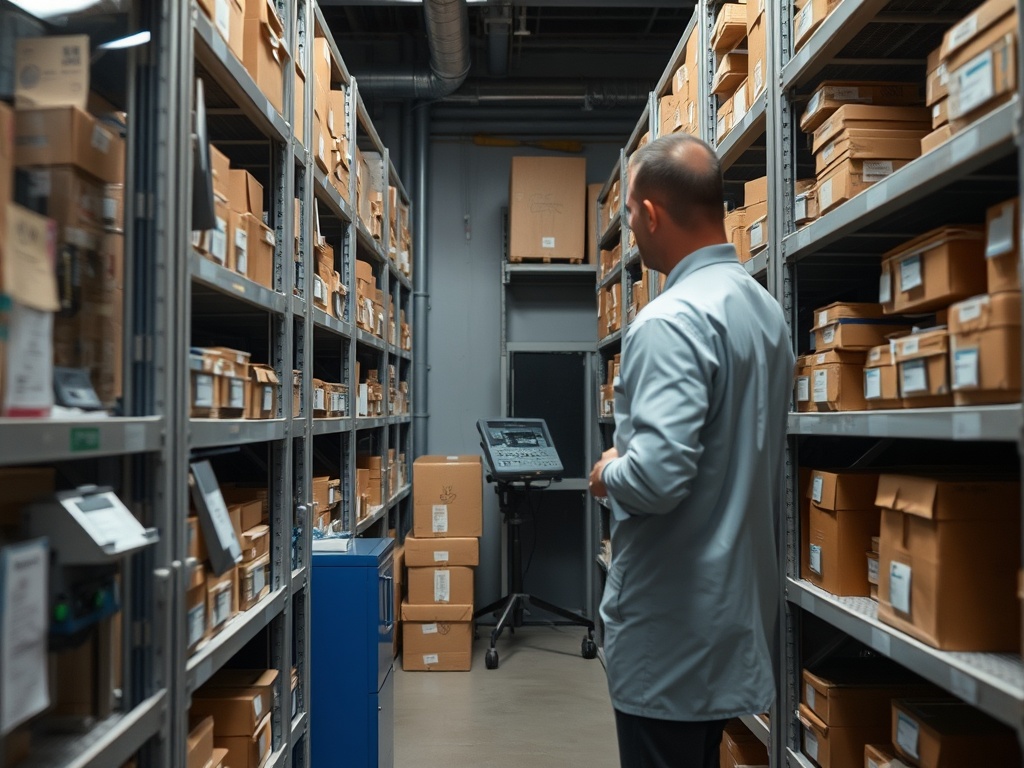
Archival spaces are vulnerable to water, mold, pests, and handling damage. Roof drains, piping above collections, wall penetrations, exterior doors, floor drains, and humid areas deserve special attention. Maintenance staff should report stains, odors, condensation, pest evidence, or changes in airflow quickly rather than waiting for a scheduled inspection.
Common Mistakes in Sensitive Spaces
Common mistakes include using generic custodial products, shutting down equipment without notifying collection staff, storing supplies in mechanical rooms, allowing contractors unsupervised access, ignoring small leaks, and failing to keep environmental logs. Another mistake is chasing perfect conditions without understanding the collection or process. Stability, risk tolerance, and professional guidance matter.
A Maintenance Framework for Specialty Rooms
Create a room-by-room risk register, define environmental targets and alarm thresholds, identify approved contacts, document access rules, map overhead water sources, schedule filter and sensor checks, and keep work-order notes tied to environmental changes. For broad material and building-system context, the article on CSI divisions can help teams locate the relevant specification sections during planning.
Careful Work Protects More Than Equipment
Specialty facilities need maintenance that respects what the space is meant to protect. This article is informational and educational only. It is not conservation, laboratory safety, engineering, legal, or compliance advice. Use qualified professionals, institutional policies, and applicable regulations for facility-specific decisions.