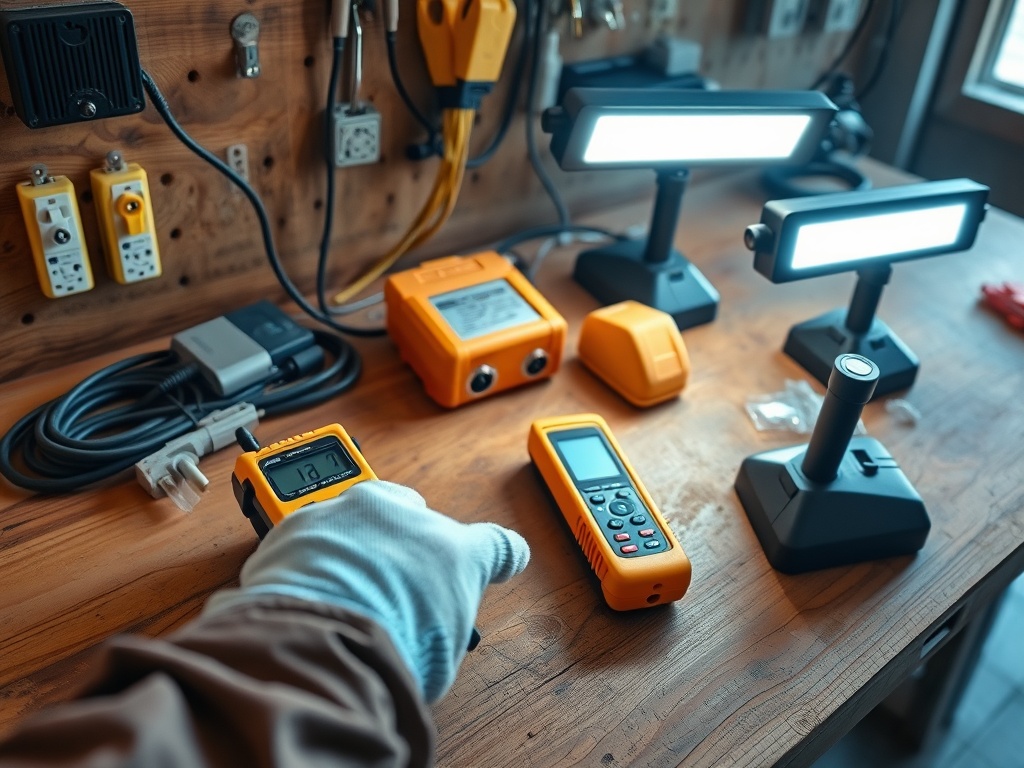

Extension cords, GFCIs, and portable lighting should be inspected before use, after relocation, and whenever damage or nuisance tripping appears. The inspection should focus on physical condition, grounding, strain relief, rating, wet-location suitability, trip hazards, and whether the equipment is being used for temporary work rather than permanent wiring.
TL;DR
- Damaged cords should be removed from service, not taped and reused.
- GFCI protection should be verified according to site policy and applicable rules.
- Portable lighting must be stable, guarded where needed, and suitable for the environment.
Why Temporary Power Deserves Daily Attention
For supporting context, review OSHA flexible-cord hazard guidance, then apply the guidance through qualified project-specific review.
Temporary electrical equipment is handled, dragged, exposed, stepped on, and moved far more often than fixed wiring. OSHA explains that flexible cords are more susceptible to damage because they are exposed, flexible, and unsecured. That makes inspection a practical safety habit, not paperwork.
Inspect the Cord Before Plugging In
Look for cuts, cracked jackets, missing ground pins, loose blades, damaged connectors, exposed conductors, burn marks, crushed sections, taped repairs, and signs that the cord has been pinched by doors or equipment. Check that the cord is rated for the environment and load. Remove defective cords from service and tag them according to site procedure.
Check GFCI Protection and Reset Behavior
Ground-fault circuit interrupters help reduce shock risk when properly selected, installed, and tested. Workers should know where protection is provided, how to use the test function where appropriate, and what to do if a device trips repeatedly. Repeated tripping should be treated as a warning sign, not an inconvenience to bypass.
Portable Lighting Needs Stability and Protection
Inspect lenses, guards, cords, plugs, stands, hooks, and heat exposure. Lighting should not create trip hazards, glare into traffic routes, or contact with combustible materials. Wet or damp areas require equipment suitable for the condition. In active traffic or facility work, this connects with traffic control planning because lighting affects both visibility and route safety.
Good Housekeeping Prevents Electrical Damage
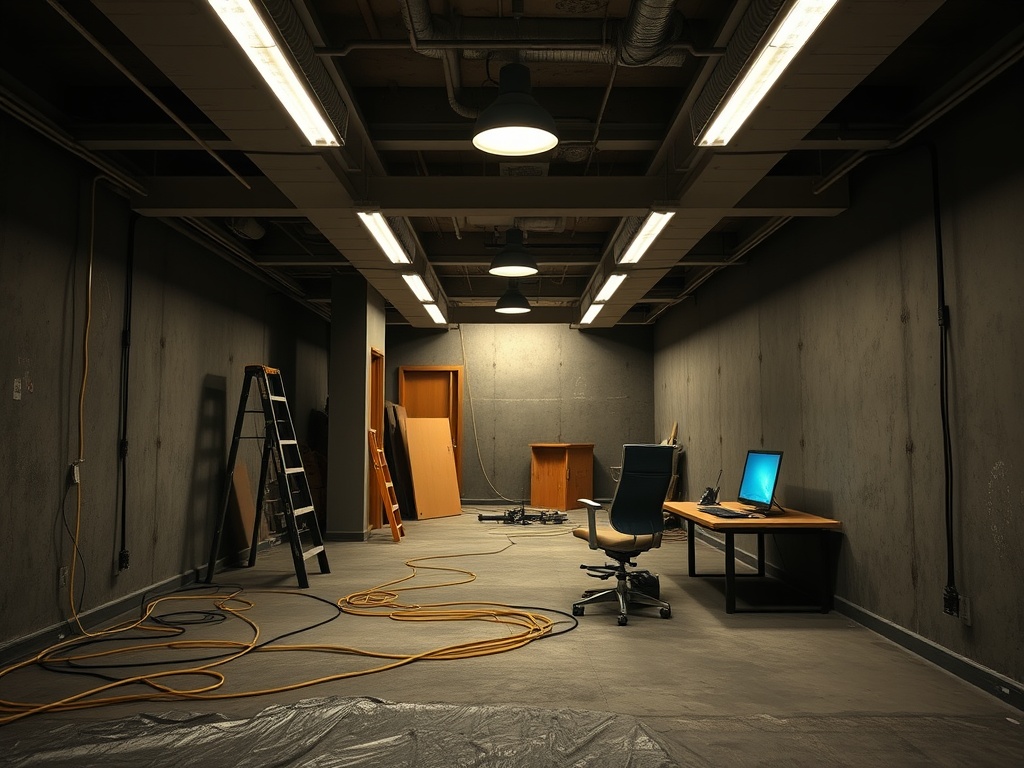
Route cords away from sharp edges, standing water, vehicle paths, pinch points, and doorways. Do not suspend cords with materials that damage the jacket. Do not daisy-chain extension cords as a substitute for proper temporary power planning. Keep cords organized so workers can inspect them without untangling a hazard pile.
Documentation for Supervisors
A simple log can record inspection date, equipment ID, condition, action taken, and responsible person. For recurring issues, supervisors should look for root causes such as not enough temporary power locations, poor storage, wet work areas, or crews using consumer-grade equipment in construction conditions. A broader PM checklist process can help turn these checks into a repeatable routine.
Ready-to-Use Inspection Flow
Check the environment, inspect the cord, verify plug and grounding condition, confirm GFCI protection, inspect portable lighting, route equipment safely, remove damaged items, and document corrections. This article is informational only and does not replace qualified electrical, safety, legal, or compliance advice. Follow applicable OSHA rules, local codes, and site procedures.