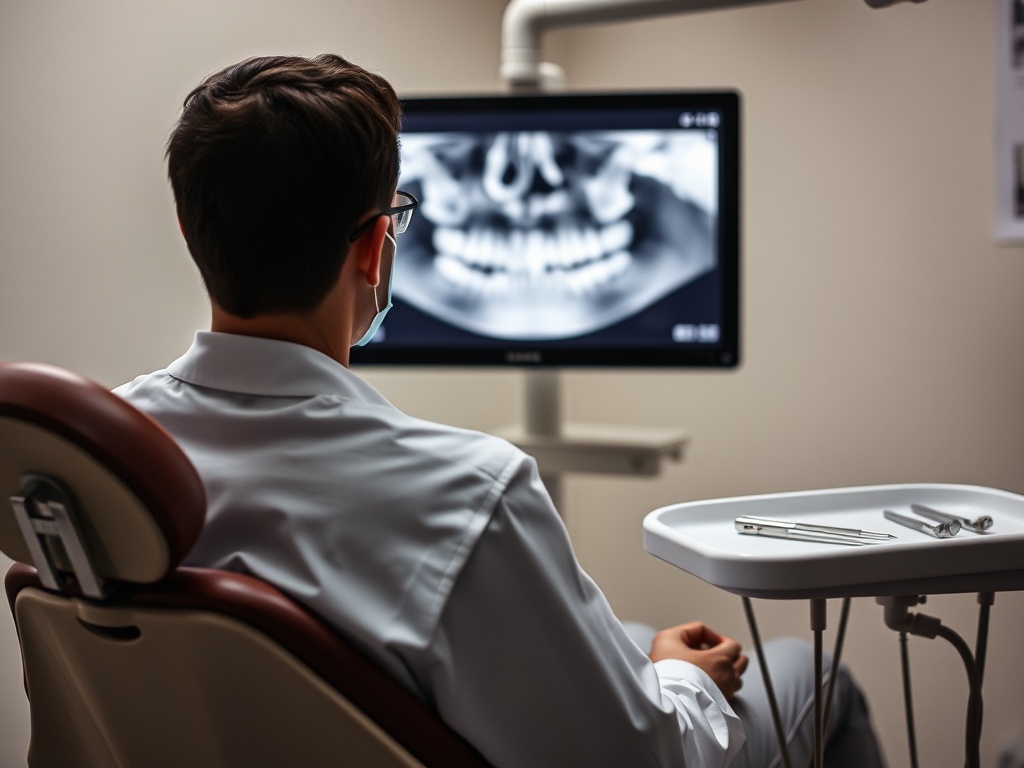

Dental implant surgery is a surgical procedure — and like any surgical procedure, managing patient comfort is part of delivering good care. Sedation is one tool dentists and oral surgeons use to make the experience more manageable, particularly for patients with anxiety, complex needs, or lengthy procedures.
Key Takeaways
- Sedation options range from mild oral sedation to IV sedation and general anaesthesia.
- Local anaesthesia alone is standard and sufficient for many implant placements.
- Sedation is particularly helpful for anxious patients, complex multi-implant cases, or those with a strong gag reflex.
- Medical history, procedure complexity, and patient preference all influence candidacy for each sedation level.
What Sedation Means in a Dental Context
Sedation in dentistry uses medication to reduce anxiety, awareness, or discomfort during treatment. It is distinct from local anaesthesia, which numbs a specific area and is always used alongside sedation. Local anaesthesia prevents pain at the site; sedation changes the patient’s level of consciousness or anxiety.
Types of Sedation Used in Implant Surgery
| Type | How It Works | Awareness Level | Recovery |
|---|---|---|---|
| Local anaesthesia only | Injected numbing agent at site | Fully awake | Immediate — can drive home |
| Nitrous oxide (laughing gas) | Inhaled; wears off in minutes | Conscious, relaxed | Usually same-day; often can drive |
| Oral sedation | Pill taken before appointment | Drowsy but responsive | Needs escort; effects last hours |
| IV moderate sedation | Administered through a vein; rapidly adjustable | Sedated, semi-conscious | Needs escort; recovery hours |
| General anaesthesia | Full unconsciousness | Unconscious | Monitored recovery; escort required |
The american dental association outlines guidelines for each sedation level, including the training and monitoring required to administer them safely.
When Sedation Makes Clinical Sense
Moderate to Severe Dental Anxiety
Anxiety can make it physically difficult for a patient to remain still and cooperative during a surgical procedure. Beyond patient comfort, a moving or tense patient increases procedural risk. Sedation addresses this directly.
Multiple Implants in a Single Session
A single implant placement typically takes 30–60 minutes under local anaesthesia alone. Multiple implants — or simultaneous bone grafting — can extend the procedure significantly. Sedation allows comprehensive work to be completed in fewer sessions, which many patients and providers prefer.
Strong Gag Reflex
An uncontrolled gag reflex can interfere with implant surgery, particularly in the posterior jaw. Sedation suppresses this reflex reliably and makes the procedure both safer and more efficient.
Complex Medical or Physiological Factors
Patients with certain movement disorders, cognitive conditions, or severe dental phobia may not be able to cooperate adequately without sedation. General anaesthesia in a surgical facility may be appropriate in these cases.
Candidacy: What the Screening Covers
Not every patient is a straightforward candidate for every sedation level. The pre-procedure assessment typically includes:
- Full medical and medication history — some medications interact with sedation agents
- Cardiovascular and respiratory health assessment
- BMI and airway evaluation, particularly for deeper sedation levels
- Allergy history
- Anxiety level assessment — standardised questionnaires are sometimes used
Patients with significant systemic health conditions may need medical clearance before deeper sedation. This is a safeguard, not a barrier — it ensures the right environment and monitoring are in place.
Potential Risks and How They Are Managed
Sedation carries inherent risks that scale with depth. The more sedated a patient is, the more monitoring and trained personnel are required. For IV and general anaesthesia, continuous vital sign monitoring and the ability to manage airway complications are standard requirements.
- Nitrous oxide: very low risk profile; contraindicated in early pregnancy and vitamin B12 deficiency
- Oral sedation: effects vary by individual; timing before the appointment is important
- IV sedation: more predictable than oral; requires IV access and monitoring throughout
- General anaesthesia: highest monitoring requirement; appropriate for specific cases and patient populations

What to Expect Before and After
Pre-procedure instructions for oral or IV sedation typically include fasting for a specified period, arranging for an escort, and avoiding alcohol the night before. Post-procedure, the patient should plan to rest and should not drive or make significant decisions until the day after.
The implant procedure itself is only one stage of the overall process. Patients who want to understand how implant treatment fits into a larger sequence of dental work may find it useful to read about how dentists phase complex treatment plans.
When Local Anaesthesia Alone Is Sufficient
Many single implant placements are completed comfortably under local anaesthesia alone. Patients who are generally comfortable with dental treatment, have no significant anxiety, and are having a straightforward single-implant procedure often find that local anaesthesia is all they need. The decision between extracting a tooth and placing an implant versus pursuing root canal treatment may also affect whether sedation is appropriate, depending on what is being done in a single session.
Discussing Sedation With Your Provider
If anxiety is a factor for you, raise it explicitly during your pre-surgical consultation rather than hoping it will not be an issue on the day. Providers who offer IV sedation should be trained and credentialed to do so. Stress-related physiological factors — including jaw clenching — can sometimes complicate implant healing, which is why understanding how stress affects the mouth is useful background for implant patients.