A useful PM checklist turns vague maintenance expectations into asset-specific tasks, safe work steps, evidence requirements, and follow-up triggers. For HVAC, plumbing, and electrical assets, the strongest checklists are short enough to use in the field but detailed enough to catch failure patterns before they become service interruptions.
TL;DR
- Build by asset type, not by department habit.
- Include safety controls, inspection points, pass/fail criteria, and documentation requirements.
- Review checklist results quarterly so recurring defects become planned work, not repeated emergency calls.
Start With the Asset Register, Not a Blank Form
Preventive maintenance checklists work best when they begin with the actual equipment inventory. List major HVAC units, pumps, valves, panels, disconnects, lighting systems, backflow devices, drains, controls, and emergency components. Then note location, tag number, service access, operating criticality, and manufacturer guidance. This keeps the checklist connected to the real building instead of becoming a generic form that technicians stop trusting.
For owners comparing maintenance planning with project closeout duties, the article on commissioning commercial buildings explains why documentation matters long before the first service call. A PM checklist is the operating version of that same idea: define what should happen, who should verify it, and what evidence proves it was done.
HVAC Items That Deserve Clear Pass/Fail Criteria
HVAC checklists should avoid broad lines such as 'inspect unit.' Better entries describe observable conditions: filter condition, belt tension where applicable, coil cleanliness, drain pan condition, insulation damage, vibration, access-panel fit, control response, unusual noise, and evidence of water around equipment. Readings such as supply-air temperature, pressure drop, amperage, and operating status can be useful when the technician has proper instruments and knows the expected range.
Do not turn every PM visit into a full commissioning exercise. The goal is to catch practical deterioration, not retest the whole system every month. For problem-aware teams, a useful checklist separates routine observations from escalation points, such as repeated condensate issues, frequent resets, abnormal vibration, or comfort complaints that line up with equipment behavior.
Plumbing Checks Should Focus on Leaks, Flow, Isolation, and Drainage
Plumbing PM often fails because small issues look harmless until water damage appears. Good checklist lines should cover visible leaks, valve accessibility, corrosion, loose supports, trap condition, drain flow concerns, pump operation, floor drain dryness, water heater relief discharge evidence, backflow test dates where applicable, and unusual odor or noise. For critical buildings, include fixture groups, mechanical-room piping, roof drains, hose bibbs, and sump or ejector systems.
The checklist should also tell technicians what not to do. For example, forcing a stuck valve without an isolation plan can turn a minor deficiency into a shutdown. A clear note such as 'record inaccessible or frozen valve for planned repair' is safer than creating pressure to complete a line item at any cost.
Electrical Asset Checklists Need Safety Boundaries
For supporting context, review OSHA construction safety resources, then apply the guidance through qualified project-specific review.
Electrical checklist work must respect qualifications and lockout requirements. For non-electrical staff, tasks may be limited to visual checks: damaged covers, missing labels, blocked panels, tripping GFCIs, heat marks, exposed conductors, loose cords, and lighting defects. Qualified electrical workers may perform deeper inspection and testing based on facility policy, applicable code, and safe-work procedures.
OSHA’s construction resources emphasize that construction and repair work can expose workers to serious hazards, including electrocution, so PM checklists should never encourage unqualified troubleshooting inside energized equipment. Link the checklist to safe-work rules rather than relying on memory.
A Practical Checklist Format That Crews Will Use
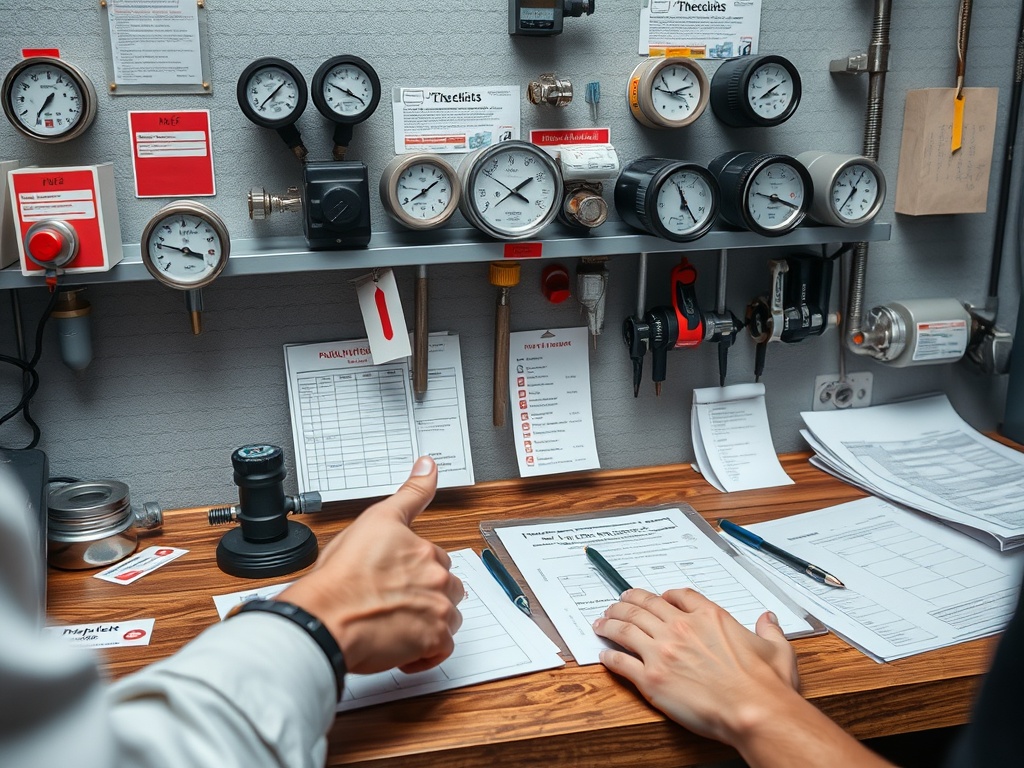
The best format is usually one page per asset group with space for readings, photos, comments, and a priority code. Use consistent choices such as Pass, Monitor, Repair Planned, Urgent, and Not Accessible. That language helps supervisors sort work orders without rereading every note. A checklist should also include the date, technician, asset ID, location, operating status, safety controls used, and follow-up owner.
Quality Review: Turn Completed Forms Into Decisions
A completed checklist has little value if no one reviews it. Assign a weekly or monthly review rhythm for exceptions, recurring failures, and unresolved access issues. Trends matter: one blocked drain may be a housekeeping issue, while the same drain appearing on three reports may reveal a design, cleaning, or slope problem.
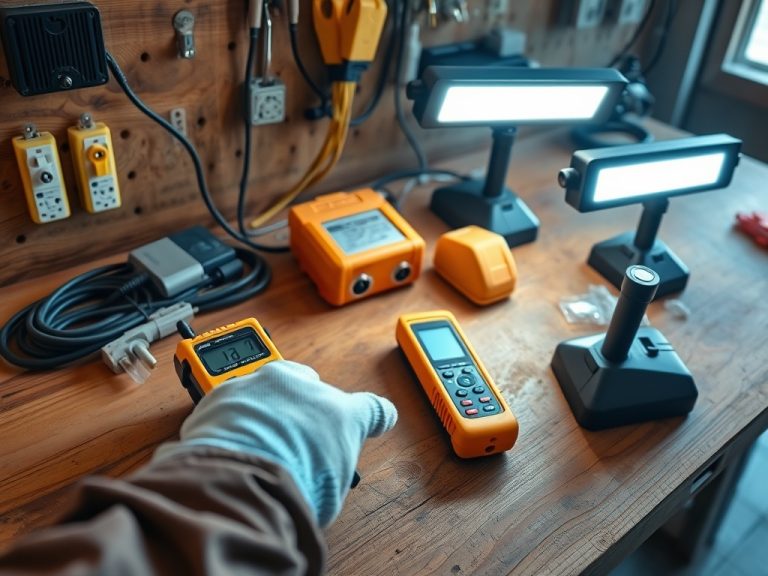
If portable equipment is part of the PM scope, connect the process to the guide on inspecting extension cords, GFCIs, and portable lighting so field teams separate building-system PM from temporary-power safety checks.
Common Checklist Mistakes to Avoid
Avoid checklists that are copied from another building, written only for compliance, or packed with tasks nobody has time or authority to complete. Avoid vague entries that cannot be verified. Avoid creating a checklist without a follow-up workflow. Most of all, avoid treating PM as paperwork. The form should lead to safer operation, better records, and smarter capital planning.
Field-Ready PM Framework
Use this sequence: identify assets, rank criticality, define safe task limits, set pass/fail criteria, document readings or observations, assign follow-up categories, review exceptions, and revise the checklist after seasonal or operational changes. This article is for educational purposes and is not professional engineering, legal, compliance, or project-management advice. For regulated systems, use qualified professionals and local requirements.