Radiator service for an aging vehicle focuses on controlling heat, preventing leaks, maintaining the right coolant mixture, and catching weak hoses, caps, fans, and corrosion before overheating damages the engine. It is not only a flush; it is a cooling-system health check.
TL;DR: Aging cooling systems should be inspected for leaks, pressure loss, corrosion, weak caps, hose condition, fan operation, and coolant condition.
- Overheating can become expensive quickly, so small warning signs deserve attention.
- The correct coolant type and service interval depend on the vehicle, not a universal rule.
What the Radiator Does in an Older Vehicle
The radiator releases heat from coolant that has circulated through the engine. Over time, the system faces heat cycles, vibration, corrosion, seal aging, and contamination. An older vehicle may still run well, but the margin for cooling-system neglect gets smaller as hoses harden, plastic tanks age, and deposits build up.
Car Care Council provides broad consumer education on maintenance and repair through its Be Car Care Aware campaign, which is useful background for drivers building a preventive maintenance habit.
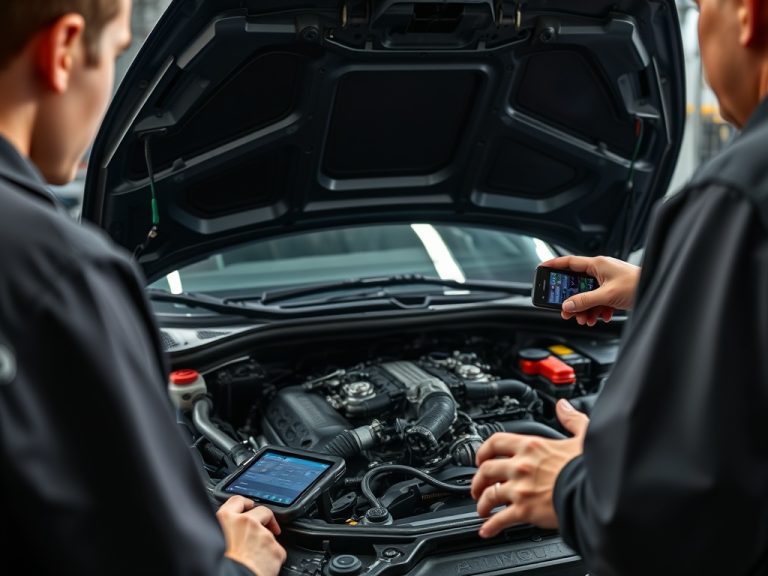
A radiator service may include visual inspection, pressure testing, coolant condition checks, cap testing, hose inspection, fan checks, thermostat evaluation, and coolant replacement when needed. The exact service should match the vehicle’s condition and manufacturer guidance.
Signs the Cooling System Needs Attention
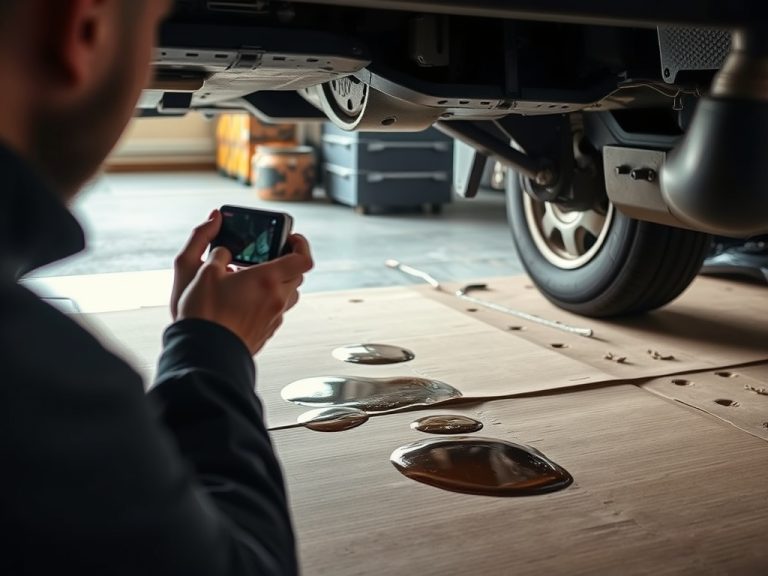
Watch for a rising temperature gauge, sweet coolant smell, low coolant level, crusty residue near hose connections, wet spots under the front of the vehicle, heater performance changes, bubbling in the reservoir, or repeated need to top up fluid. Milky engine oil or white exhaust smoke may point to more serious internal issues and should be handled quickly.
Learning how to spot a fluid leak by color, smell, and location makes radiator problems easier to separate from oil, transmission fluid, brake fluid, or A/C condensation.
Aging vehicles can also overheat because the radiator is only one part of the system. A weak water pump, stuck thermostat, clogged passage, failed fan, bad cap, collapsed hose, or trapped air can create the same driver complaint.
What Service May Include
| Inspection item | Why it matters | Driver clue |
|---|---|---|
| Coolant level and condition | Low or contaminated coolant reduces heat control | Sweet smell, residue, repeated top-ups |
| Pressure cap and hoses | Pressure raises boiling point and prevents leaks | Collapsed hose, crust, steam, seepage |
| Fans, thermostat, water pump | Circulation and airflow must work together | Overheating in traffic or at speed |
Cost Drivers and Urgency
The cost depends on whether the visit is preventive or corrective. A coolant exchange and inspection is different from replacing a radiator, hoses, thermostat, water pump, fan assembly, or heater core. Labor can rise when parts are hard to access, fasteners are corroded, or the system needs repeated bleeding to remove air pockets.
Urgency is high when the vehicle overheats, loses coolant quickly, blows cold air from the heater while hot, or shows steam. Driving an overheating vehicle can damage the engine. If the gauge climbs into the hot range, pull over safely and let the system cool before any inspection. Never remove a hot radiator cap.
A Practical Cooling-System Plan for Older Cars
Before approving service, ask what was inspected, whether pressure testing was performed, what coolant type will be used, whether the system was bled properly, and what parts look aged but not failed. Ask the shop to distinguish between immediate repairs and watch-list items.
If the vehicle has symptoms under load, such as power loss or popping, cooling issues can overlap with backfire diagnosis because overheating and engine management responses can change drivability.
The next step is simple: treat cooling-system service as preventive protection, not cosmetic maintenance. For aging vehicles, catching a small leak or weak cap early can prevent a roadside overheat later.
Cooling Details Worth Confirming
A good shop should explain what was inspected, what was measured, and what is still uncertain. That distinction matters because a symptom can be obvious while the root cause is not. A visible leak, warning light, noise, or poor driving feel is only the starting point. The repair plan should connect the symptom to test results, vehicle history, and the risk of waiting.
For cooling systems, do not judge urgency only by puddle size. A tiny leak near a pressure cap or hose connection can become a bigger leak when hot. A vehicle that overheats once deserves attention because heat can damage gaskets, plastics, sensors, and fluids even after the gauge returns to normal.
Coolant choice matters. Many vehicles require specific coolant chemistry, and mixing incompatible coolant types can reduce protection or create deposits. If a shop proposes a universal coolant, ask whether it meets the vehicle manufacturer’s requirement. The answer should be specific, not just based on color.
Pressure testing is valuable because some leaks appear only when the system is hot and pressurized. A dry driveway does not always mean a dry system. If the coolant level drops repeatedly, ask whether the cap, radiator seams, hose connections, water pump weep area, heater core, and reservoir were checked.
After service, monitor the temperature gauge and coolant level during the next few drives, only checking level when the engine is cool. A small amount of trapped air may work out of some systems, but repeated loss or temperature swings mean the vehicle needs another look.
Before the appointment, write a short version of the concern in your own words. For cooling-system service, the most useful description includes when the problem started, what changed recently, and what makes it better or worse. This prevents the repair conversation from becoming too broad. A focused complaint helps the advisor choose the right inspection path and helps the technician avoid spending paid time on unrelated systems.
During the estimate review, ask the shop to connect the recommendation to evidence. For a overheating or coolant loss, that evidence may include coolant type, pressure test result, cap condition, hose age, fan operation, and bleed procedure. A recommendation can still involve judgment, but the facts behind that judgment should be visible. If the shop cannot show or explain the evidence, ask whether more diagnostic time is needed before parts are approved.
After the work is complete, compare the invoice with the original concern. The best repair record should show the complaint, cause, correction, and any remaining watch items. If the service solved the immediate problem but uncovered a separate issue, ask for that second issue to be listed as a recommendation rather than quietly blended into the completed repair. This keeps your maintenance history clean and makes future decisions easier.
If a cooling repair is completed, ask whether the cabin heat was checked. Poor heater performance can reveal trapped air or circulation trouble on some vehicles. It is a simple driver-facing test that can support the more technical checks done in the bay, especially after coolant service or component replacement.
For older vehicles, preventive cooling service is often about protecting other parts. Heat stress can affect gaskets, sensors, hoses, plastic tanks, and fluids, so the radiator should be viewed as part of a larger temperature-control system.
That context helps the shop prioritize prevention instead of waiting for a roadside failure.