Mobile filmmaking in 2026 is no longer defined by whether a phone can capture good-looking footage. The real trend is that phones, tablets, lightweight cameras, cloud tools, and AI-assisted editors are becoming one connected production system.
TL;DR: The useful shift is professional control in smaller kits. Creators can now shoot, monitor, sync, edit, caption, translate, and publish faster from mobile devices. The hype is the belief that better phone cameras remove the need for lighting, sound, planning, permissions, and editorial taste.
The Phone Is Becoming a Production Node
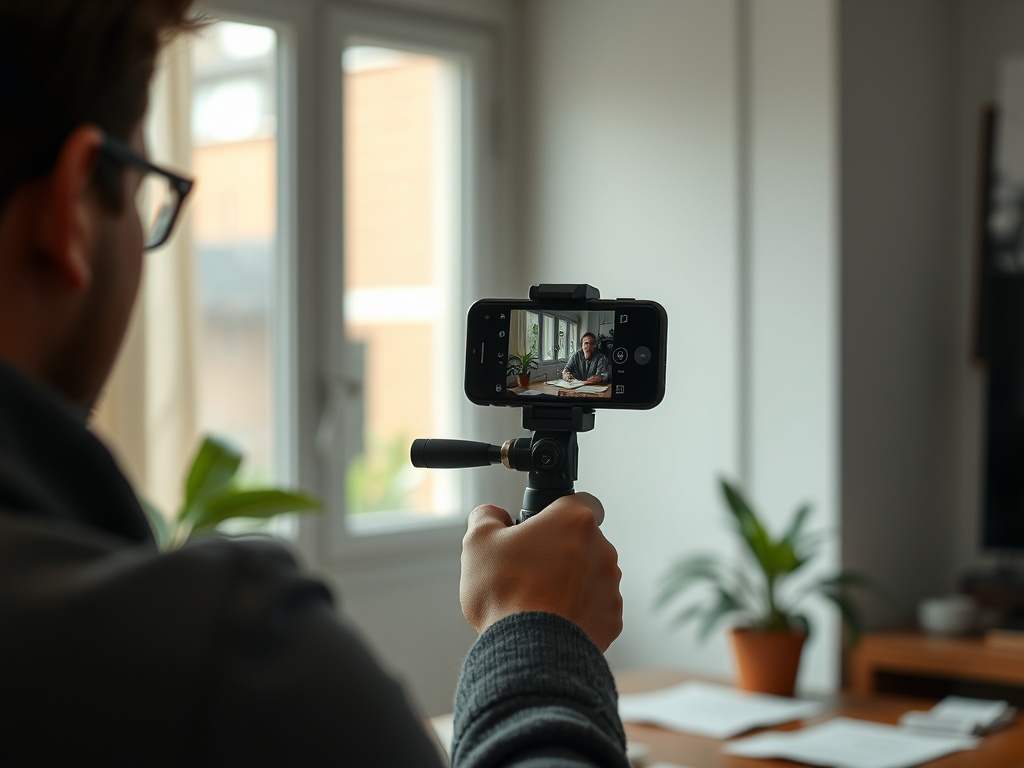
A phone used to be treated as either a backup camera or a social media shortcut. In 2026, it is often a production node: a camera, monitor, field recorder, metadata tool, collaboration device, and rough-cut station. This does not mean every phone shoot is professional. It means the gap between mobile capture and professional workflow has narrowed.
Apps such as Blackmagic Camera show the direction clearly: manual controls, frame-rate options, monitoring, and workflows that feel closer to dedicated cameras than default phone apps. The value is not only image quality. It is control. When creators can lock exposure, monitor audio, organize clips, and hand off files cleanly, mobile footage becomes easier to trust in a serious project.
This shift matters for journalists, documentary crews, educators, musicians, actors, small brands, and solo filmmakers. A phone can be less intimidating in sensitive spaces, faster to deploy, and easier to carry through locations where a large rig would change behavior. It can also be overused. A small camera still needs a plan.
Creator Tools Are Compressing the Production Calendar
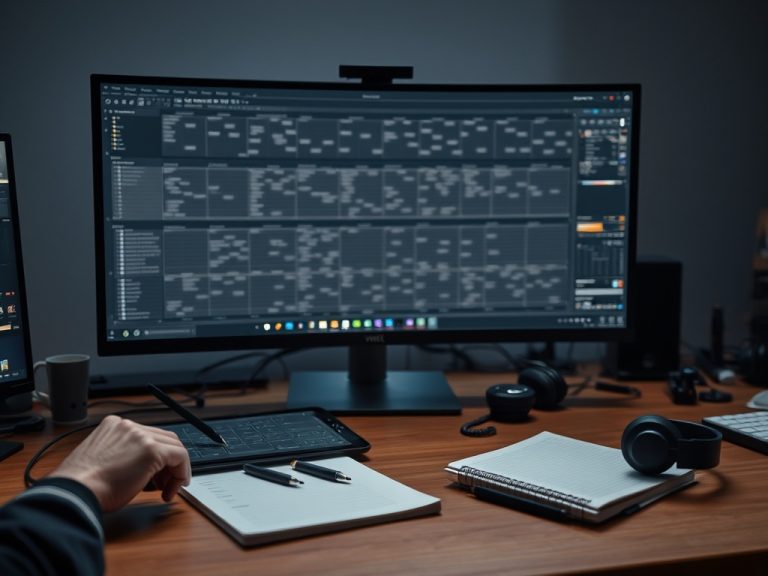
The creator video calendar is getting shorter. A single person may need to shoot a vertical teaser, horizontal YouTube cut, captioned social excerpt, behind-the-scenes clip, thumbnail, and newsletter embed from one session. That workflow used to require more handoffs. Now mobile-first tools can automate parts of resizing, captioning, cleanup, and versioning.
Adobe’s 2025 creator survey reported that many creators expect to produce more content on mobile, and the Adobe Creators’ Toolkit Report announcement is useful context for how mobile and AI-assisted tools are changing social production habits. The takeaway is not that everyone should publish more. It is that production systems are being built for faster iteration.
The risk is creative exhaustion. When tools make output easier, platforms often make creators feel that more output is mandatory. Smart creators will separate capture efficiency from publishing pressure. Shooting efficiently should create more room for stronger ideas, not only more clips.
Durable Shifts Versus Shiny Distractions
| Trend | Durable use | Hype risk |
|---|---|---|
| Manual-control camera apps | Better exposure, focus, audio, and file discipline. | Assuming an app can replace cinematography. |
| AI-assisted editing | Faster selects, captions, reframes, and rough cuts. | Accepting generic pacing without review. |
| Mobile multicam workflows | Small teams can cover interviews, rehearsals, and events. | Too many angles can hide weak story planning. |
| Creator cloud handoff | Editors and collaborators can work sooner. | Poor naming and rights tracking can create chaos. |
| Vertical-first planning | Framing can match the main distribution channel. | Cropping later may damage composition. |
What Still Separates Amateur From Intentional
The basics still matter. Clean sound usually improves perceived production value more than resolution. A stable frame beats shaky 4K. Natural light can be beautiful, but only if the creator understands direction, contrast, and continuity. A small reflector, lavalier mic, tripod, and battery plan may matter more than a new phone body.
Planning also matters. Mobile filmmaking rewards people who know what they need before arriving. A creator should identify the primary aspect ratio, the must-have shots, the audio conditions, and the release formats before pressing record. Fixing everything later is slower than making five disciplined choices on location.
Permissions are part of professionalism. Public filming rules, music clearance, location releases, and privacy expectations still apply. This is especially relevant when creators combine footage with music, reaction clips, or fan edits. The release-cycle logic discussed in reaction videos, recaps, and fan edits can help video spread, but rights and attribution need to be handled before a clip becomes useful.
Who Feels the Shift First
Independent creators feel it first because mobile tools reduce the need to rent gear for every test. A dancer can record choreography, a comedian can capture a set excerpt, an actor can film a self-tape, and a documentary maker can gather environmental footage with a small kit. The barrier is not capture. The barrier is selection, story, and consistency.
Small production teams feel it next. A director can send a scout clip to an editor, a producer can capture social assets during a shoot, and a client can review framing quickly. This is helpful only when the team sets rules. Decide naming conventions, frame rates, audio standards, backup procedures, and approval paths before the day begins.
Educators and arts organizations also benefit. Workshops, rehearsals, process videos, and artist talks can be documented without turning every session into a formal shoot. That connects mobile filmmaking with visual and performance communities, including the portfolio logic in niche art styles and audience specificity and the live-design lessons in immersive theater trends.
Practical Buying and Workflow Advice
Creators should buy around bottlenecks. If footage is noisy, improve lighting. If viewers leave because dialogue is hard to hear, improve microphones and room choice. If edits take too long, improve file management and templates. If clips feel generic, invest time in concept, performance, and visual references.
Teams should also decide what belongs on mobile and what does not. A phone may be ideal for rehearsals, social cutdowns, intimate documentary scenes, location scouting, and backup angles. A cinema camera may still be better for controlled commercial work, long-form narrative, heavy color grading, or complex lensing. The choice should serve the project, not prove a point.
AI-assisted tools should be treated as first-pass assistants. Let them transcribe, group, caption, or suggest edits. Then review for rhythm, meaning, representation, and rights. Automation can accelerate the timeline, but the creator still owns the final judgment.
A useful 2026 habit is separating capture gear from release discipline. Save original files, export masters, store captions, keep consent notes, and archive project files. Mobile projects often move fast, but future licensing, portfolio use, or press requests still depend on clean records.
Shoot Small, Finish Seriously
Mobile filmmaking’s 2026 promise is not that everyone can skip craft. It is that more people can test serious ideas with lighter tools. The strongest mobile creators will plan like professionals, shoot with restraint, and finish with the same care they would bring to a larger production.
The phone may be in your pocket, but the audience still sees the decision-making behind every frame.
Mobile shoot readiness checklist: build a one-page mobile shoot checklist covering story goal, aspect ratio, audio plan, lighting plan, file naming, backup method, permissions, and final delivery formats before your next recording day.