
Immersive theater in 2026 is moving from novelty environments toward clearer audience contracts, better accessibility, and more intentional participation. The strongest productions do not simply let audiences wander; they design how attention, choice, safety, and story work together.
TL;DR: The durable trend is not “more technology.” It is more precise audience design. Interactive performance is becoming smaller, more modular, more safety-aware, and more connected to repeat visitation. Hype appears when a show uses apps, headsets, or secret rooms without giving the audience a meaningful role.
Participation Is Becoming a Designed Role
Immersive theater used to be explained as a contrast with seated theater: no fixed seat, no single stage, no passive viewing. That description is useful for beginners, but it is too broad for 2026. A serious interactive work now needs to define the audience role as carefully as it defines a character. Are visitors witnesses, co-conspirators, jurors, guests at a ritual, investigators, or physical collaborators? The role shapes the ticket page, the venue layout, the performer training, and the after-show conversation.
This matters because participation can be thrilling or stressful. Some audiences want freedom. Others want clear boundaries. A production that tells people “anything can happen” may create anxiety rather than wonder. The best shows give people enough structure to feel safe and enough agency to feel responsible for their own path.
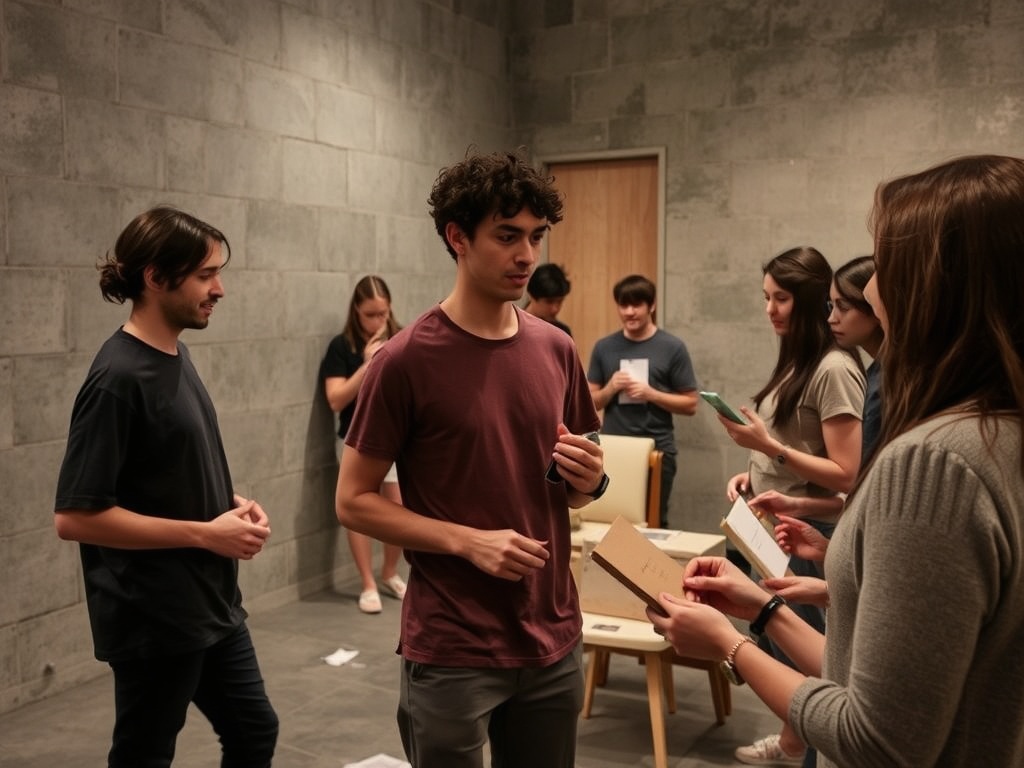
Participation is also changing how teams rehearse. Performers need acting skills, improvisational control, crowd awareness, and consent literacy. Stage managers need plans for audience flow, late arrivals, accessibility needs, and emotional intensity. Front-of-house teams become part of the artistic experience, not only ticket scanners.
What Is Changing in the Room
| 2026 movement | Why it is durable | Where it can become hype |
|---|---|---|
| Smaller audience cohorts | Smaller groups allow better performer attention and clearer choices. | Scarcity marketing can hide thin storytelling. |
| Site-responsive staging | Unusual spaces can shape memory and movement. | A warehouse or mansion does not automatically create meaning. |
| Audience consent protocols | Clear boundaries protect guests and performers. | Overly legalistic language can make the experience feel cold. |
| Light XR and mobile layers | Digital cues can support branching, translation, and accessibility. | Apps can distract from live presence. |
| Repeatable modular scenes | Modular design helps productions adapt to venue, cast, and demand. | Fragmentation can weaken narrative payoff. |
Audience demand for cultural participation is broader than theater. The National Endowment for the Arts tracks arts attendance and creation through its Arts Participants indicators, which is useful context for producers studying how people spend time with culture. At the organizational level, DataArts’ 2025 National Trends analysis shows why arts groups are balancing audience development, cost pressure, and operational resilience at the same time.
The Technology Layer Is Shrinking Into the Background
The most useful technology in immersive performance is often invisible. Timed audio cues, performer communications, low-friction ticketing, lighting control, translation prompts, and accessibility tools may matter more than a flashy headset. A phone can guide a choice, but it should not make the audience stare down at the exact moment they should be reading a performer’s face.
XR can work when it expands a world that the body already understands. A ghostly layer on a historic building, a private audio confession, or a visual clue that changes after a choice can deepen the story. It fails when the tech is the story and the live performers become decoration. Museums and cultural venues are testing similar questions through programs like the American Alliance of Museums’ Museum XR Summit, where the core challenge is engagement, not gadget count.
Theater makers can also learn from music and exhibition design. The rights and disclosure questions around AI music tools in 2026 matter when adaptive sound enters a live room. The spatial pacing lessons from immersive exhibitions and audience experience design matter when a production asks guests to move, wait, choose, and regroup.
First Movers in the Live Format
Independent companies feel the shift first because they are often closest to the format and furthest from financial cushioning. A small troupe can test a site-specific project quickly, but it also carries venue risk, insurance questions, staffing gaps, and complicated audience care. For these groups, the smartest investment may be a clearer experience map rather than more hardware.
Venue operators are affected next. A lobby, staircase, courtyard, or unused gallery can become part of the work, but only if operations support it. Fire codes, accessibility routes, sound bleed, washroom access, crowd density, and staff sightlines are creative constraints. Ignoring them is not experimental; it is poor design.
Audiences are affected in a more personal way. Interactive performance asks them to make choices, move through uncertainty, and sometimes become visible to strangers. That can create deep memory, but it can also exclude people who do not know the unwritten rules. Clear pre-show communication helps more people participate with confidence.
Practical Implications for Producers and Buyers
For producers, the first document should be an audience journey map. It should show arrival, orientation, first choice, high-intensity moments, exits, accessibility alternatives, and post-show decompression. This map will reveal problems that a script alone cannot show.
For buyers, festivals, and cultural partners, the evaluation question should be: “What is the audience invited to do, and why?” If the answer is only “walk around,” the experience may lack depth. If the answer connects action to theme, character, or emotion, the project is more likely to hold attention.
For marketers, avoid overselling secrecy. Mystery can sell tickets, but confusion can damage trust. A strong campaign can reveal the type of participation without spoiling plot. Tell audiences whether they will stand, speak, be touched, use stairs, use phones, wear headphones, or separate from friends.
The same participatory logic appears in online fandom. Recaps, reaction videos, and fan edits extend release cycles because they invite audiences to interpret rather than merely consume. That is why the fan behavior explored in reaction videos and fan edits is relevant to live performance: people remember the moment when they felt involved.
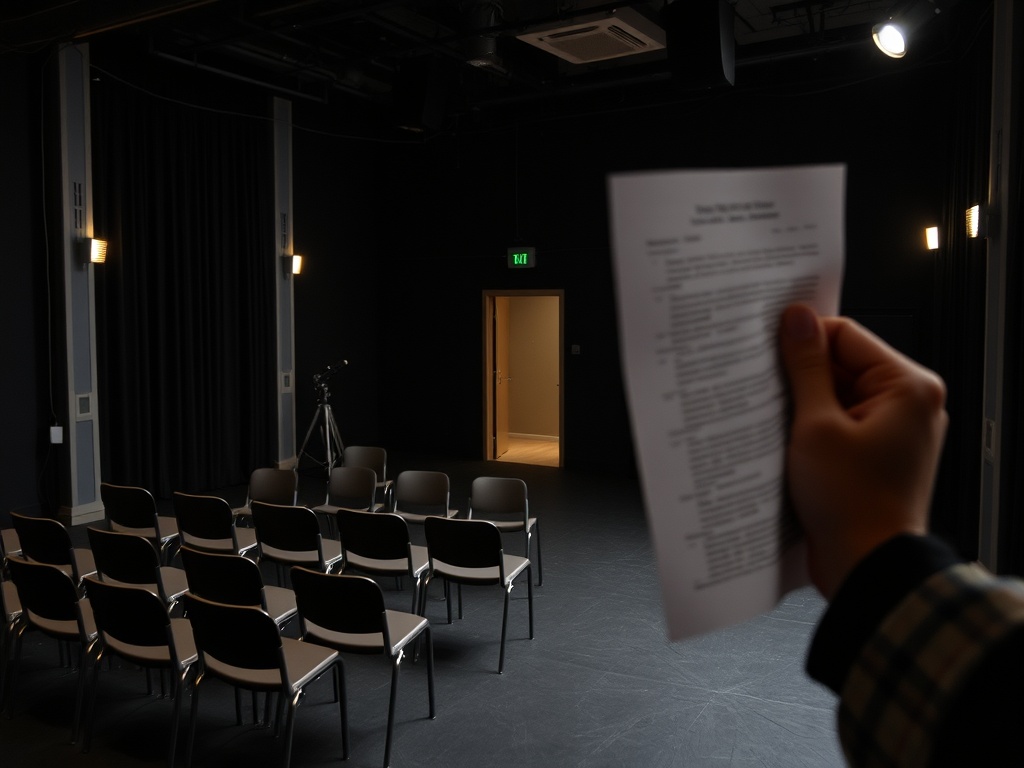
One useful planning practice is to run a low-tech rehearsal with invited observers before adding polish. If guests do not understand when to move, speak, wait, or decline participation in a plain rehearsal room, projection, costumes, and sound will not solve the problem. Early testing also reveals which instructions feel welcoming and which feel like homework.
Design the Invitation Before the Tech
The clearest immersive theater of 2026 begins with an invitation: who is the audience in this world, and what kind of responsibility are they allowed to carry? Once that is answered, technology, space, ticketing, and staffing can support the promise.
Producers should resist the pressure to make every show bigger, stranger, or more secretive. The more durable goal is a coherent experience that lets people choose with confidence, feel the presence of live performers, and leave with a story they can retell without needing to explain the gimmick first.
Audience-journey rehearsal task: before investing in an interactive device or venue build-out, run a paper walkthrough of the audience journey and identify the exact moment where interaction changes the meaning of the story.