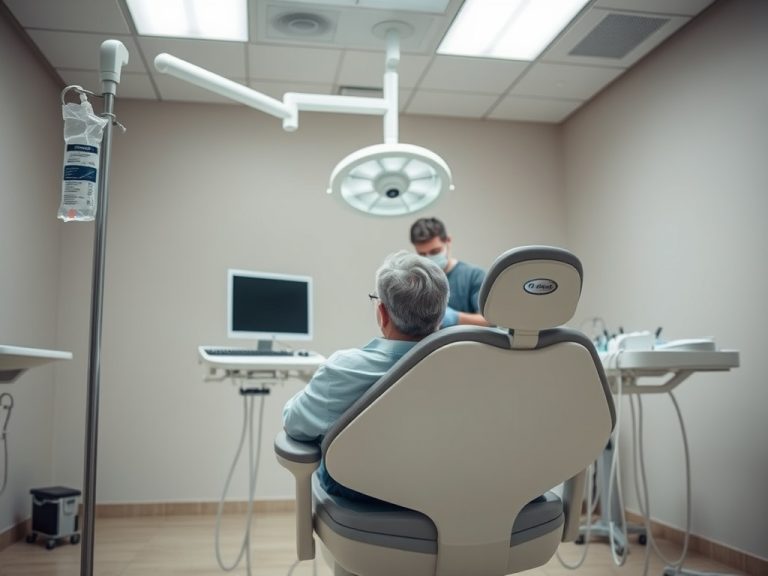
A dental emergency on the road is disorienting partly because the systems people rely on at home — a trusted dentist, familiar insurance, a known pharmacy — are suddenly unavailable.
Key Takeaways
- Most dental emergencies while traveling fall into three categories: pain, trauma, and lost or broken restorations.
- Knowing how to assess severity helps you decide whether to find care immediately or manage temporarily until you return.
- Basic preparation before a trip significantly changes how well you handle an unexpected problem.
- Certain situations require emergency dental or medical care regardless of location.
Step-by-Step: From Problem to Care
Step 1: Assess Severity
Not every dental problem while traveling requires immediate care. Triage your situation:
- Mild toothache without swelling or fever: can often be managed temporarily
- Knocked-out permanent tooth: requires care within 30–60 minutes for best outcomes
- Lost crown or filling with no pain: temporary and manageable for a short time
- Visible swelling involving the face, neck, or floor of the mouth: seek emergency medical care immediately
- Severe, unrelenting pain or pain with fever: same-day dental or medical attention is warranted
Step 2: Find a Provider
Options for finding dental care abroad or away from home:
- Your travel insurance emergency assistance line — most policies include a 24-hour number
- Your home country's embassy or consulate — they typically maintain referral lists of local English-speaking providers
- The International Association for Medical Assistance to Travellers (IAMAT) maintains a provider directory at iamat.org
- Hotel concierge staff in most cities can direct you to a reputable local practice
- If no dental provider is available, an emergency room can manage swelling, provide pain relief, and prescribe antibiotics when clinically indicated
Step 3: Communicate Clearly
If you are in a country where you do not speak the language:
- Use Google Translate's camera feature to read signs, forms, and labels
- Show the dentist the affected tooth or area rather than relying entirely on verbal description
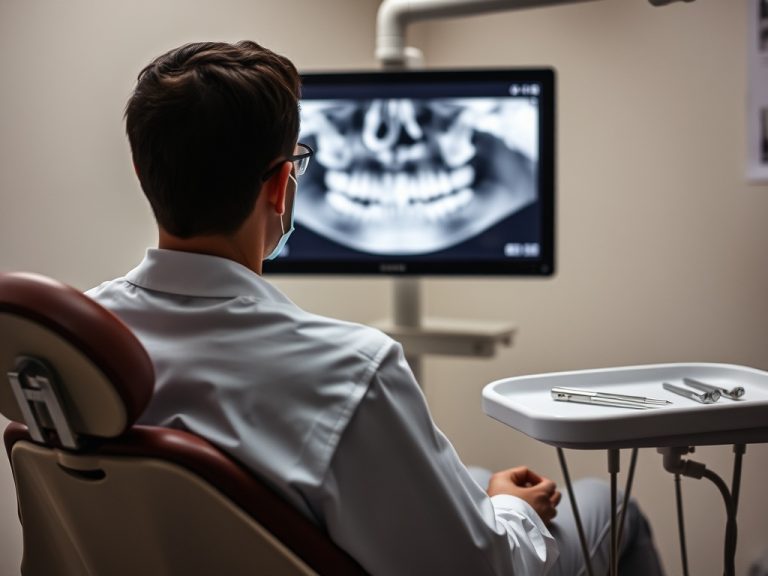
- Photographs of any X-rays or dental records saved to your phone can help a foreign provider understand your dental history
What Not to Do Before the Visit
Common mistakes that can worsen the situation or complicate the dental visit:
- Placing aspirin directly on the gum or tooth — this causes a chemical burn and increases inflammation
- Attempting to re-cement a crown yourself with super glue — these adhesives are not biocompatible and can damage the tooth permanently
- Ignoring swelling that spreads — dental infections can progress to the neck and airway in serious cases
- Delaying care for a knocked-out tooth past the first hour — viability drops sharply with time
Managing Temporarily When Same-Day Care Is Not Available
These are temporary measures only — not substitutes for professional evaluation:
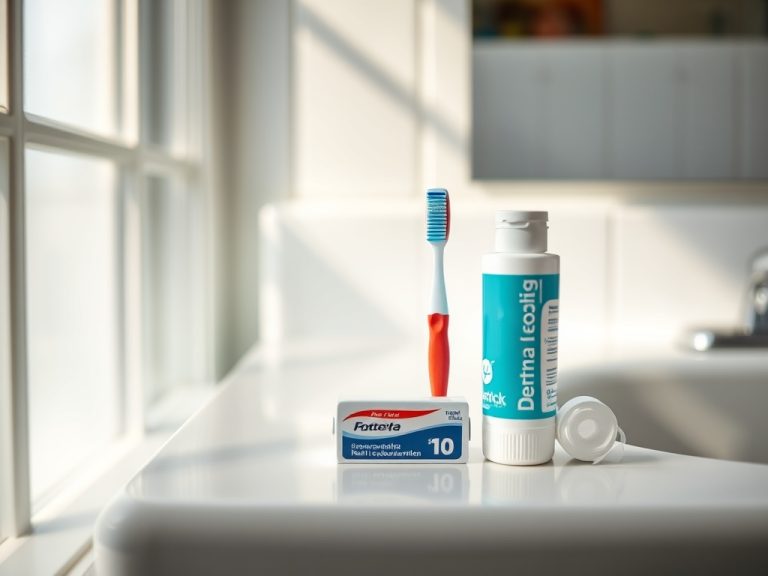
- Lost filling or crown: over-the-counter dental cement (available in most pharmacies globally) can reduce sensitivity
- Toothache: over-the-counter analgesics such as ibuprofen or acetaminophen as directed; clove oil applied with a cotton swab may reduce pain briefly
- Knocked-out tooth: handle by the crown only; rinse gently without scrubbing; store in milk or saliva (not water) and go immediately to a dentist
- Cracked tooth: avoid chewing on that side; avoid temperature extremes; see a dentist as soon as possible

Pre-Trip Preparation That Changes Everything
- See your dentist 4–6 weeks before a long trip — enough time to address any pre-existing conditions
- Take photos of your dental X-rays and save them to cloud storage accessible from your phone
- Carry a small dental first-aid kit: dental cement, dental wax, an analgesic, and dental floss
- Check whether your travel insurance covers emergency dental — many standard policies do not unless specifically noted
If the emergency results in a procedure you were unfamiliar with — or if a foreign dentist recommends something like a root canal or extraction — it is worth understanding the decision process dentists use. The comparison of tooth extraction versus root canal explains how that clinical decision is typically made. And if you are continuing treatment once you return home, your regular dentist may integrate the travel treatment into a phased treatment plan rather than repeating work unnecessarily.
What Requires Immediate Emergency Medical Attention
Go to an emergency room or call emergency services if you experience:
- Facial swelling that is spreading or affecting your ability to swallow or breathe
- High fever accompanying dental pain
- Difficulty opening your mouth due to swelling
- A jaw fracture or significant facial trauma from an accident
When You Return Home
Even if a travel dentist managed the immediate problem, follow up with your regular dentist within two weeks of returning. Any treatment performed abroad should be documented in your home dental records. Temporary materials have limited durability, and a permanent solution should be placed promptly.