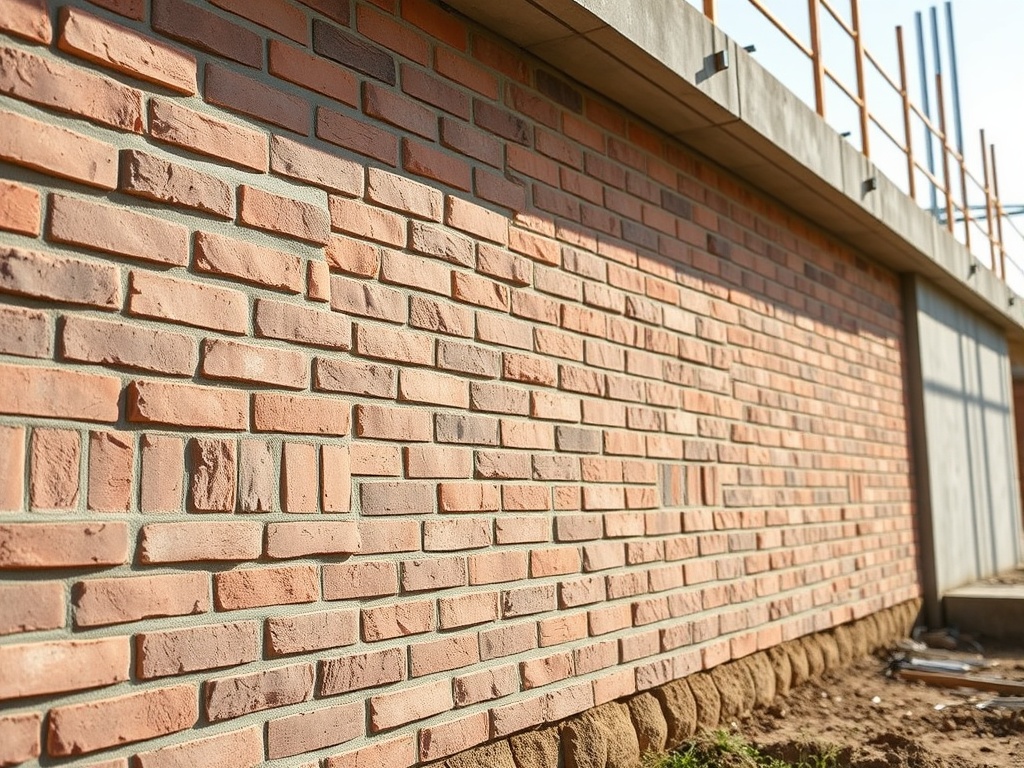

CMU, brick, and insulated concrete forms each fit different construction goals. CMU is often selected for practical structural and utility needs, brick is commonly chosen for durable appearance and veneer assemblies, and ICF is considered when insulation, concrete mass, and enclosure continuity are priorities.
TL;DR
- Choose by structural role, moisture strategy, finish expectations, labor availability, and long-term maintenance.
- Do not compare materials by appearance alone.
- Local codes, engineering, climate, and contractor experience should guide final selection.
Understand the Role of the Wall
The first question is whether the wall is structural, veneer, enclosure, fire separation, retaining, or a combination. CMU can serve as a structural masonry wall, partition, shaft wall, or backup wall. Brick is often used as veneer, though structural brick exists in specific contexts. ICF combines foam forms with reinforced concrete, often used for foundation and above-grade walls where insulation and concrete performance are desired.
CMU: Practical, Serviceable, and Familiar
Concrete masonry units are common in schools, warehouses, utility buildings, stair towers, and service areas because they are durable and familiar to many trades. They can accept reinforcement and grout, provide impact resistance, and support straightforward fire-rated assemblies when properly designed. They still require attention to control joints, flashing, moisture management, finishes, and workmanship.
Brick: Appearance With Envelope Detailing
Brick is valued for appearance, durability, and neighborhood fit, but modern brick veneer depends on ties, air gaps, flashing, weeps, shelf angles, and backup-wall performance. A brick wall can fail aesthetically or functionally if water management is ignored. Maintenance may include repointing, cleaning, sealant care at transitions, and monitoring for movement cracks.
ICF: Integrated Insulation and Concrete Core
ICF systems can support energy and comfort goals when designed and installed correctly, but they require planning for bracing, penetrations, finishes, waterproofing, termite considerations in some regions, and trade coordination. They should not be sold as a universal solution. The value depends on climate, design, crew experience, code requirements, and project priorities.
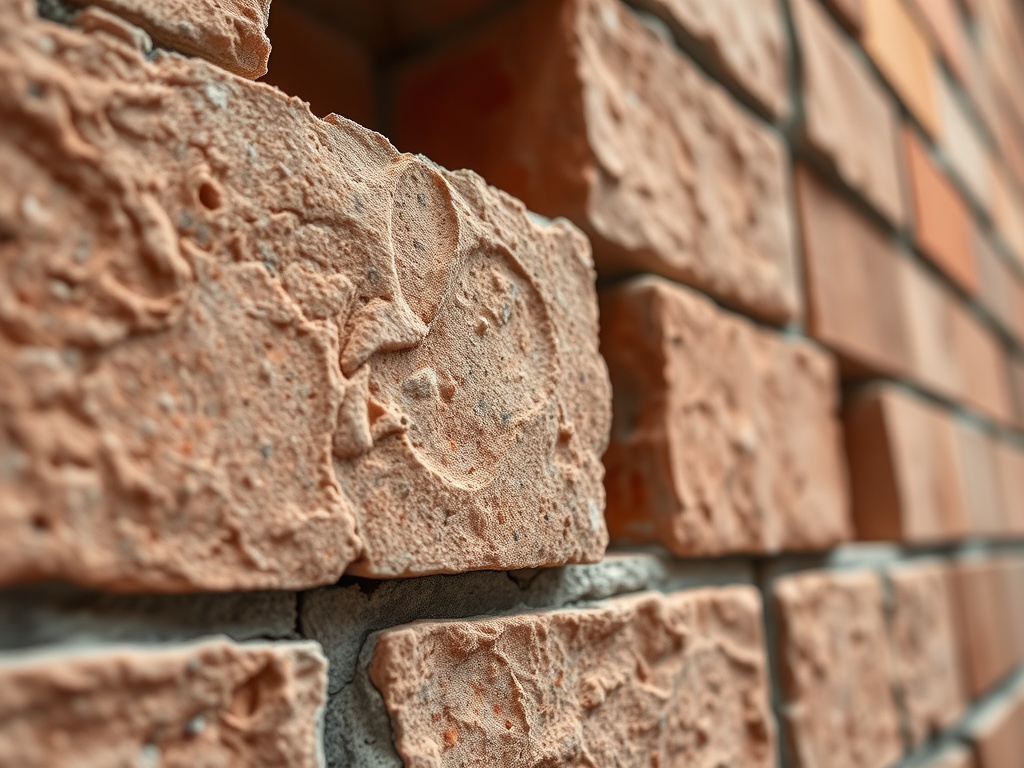
Comparison Snapshot
| Material | Best-fit situations | Watchpoints |
|---|---|---|
| CMU | Service spaces, structural masonry, impact-prone areas | Moisture detailing, reinforcement, finish expectations |
| Brick | Durable exterior appearance, veneer assemblies | Flashing, weeps, ties, movement joints |
| ICF | Concrete walls with insulation goals | Penetrations, bracing, waterproofing, crew familiarity |
Cost and Performance Should Be Project-Specific
Avoid generic claims that one system always costs less or always performs better. Labor availability, engineering, wall height, finishes, openings, schedule, insulation targets, and local market conditions can change the answer. If cost reduction is a major driver, pair material selection with value engineering that protects performance rather than cutting critical details.
Selection Questions Before You Decide
Ask what the wall must carry, what climate exposure it faces, how water exits, how insulation continuity is handled, what finishes are required, which trades are available, and how future maintenance will happen. This article is educational only and not engineering, architectural, code, or procurement advice. Confirm project-specific choices with licensed professionals.