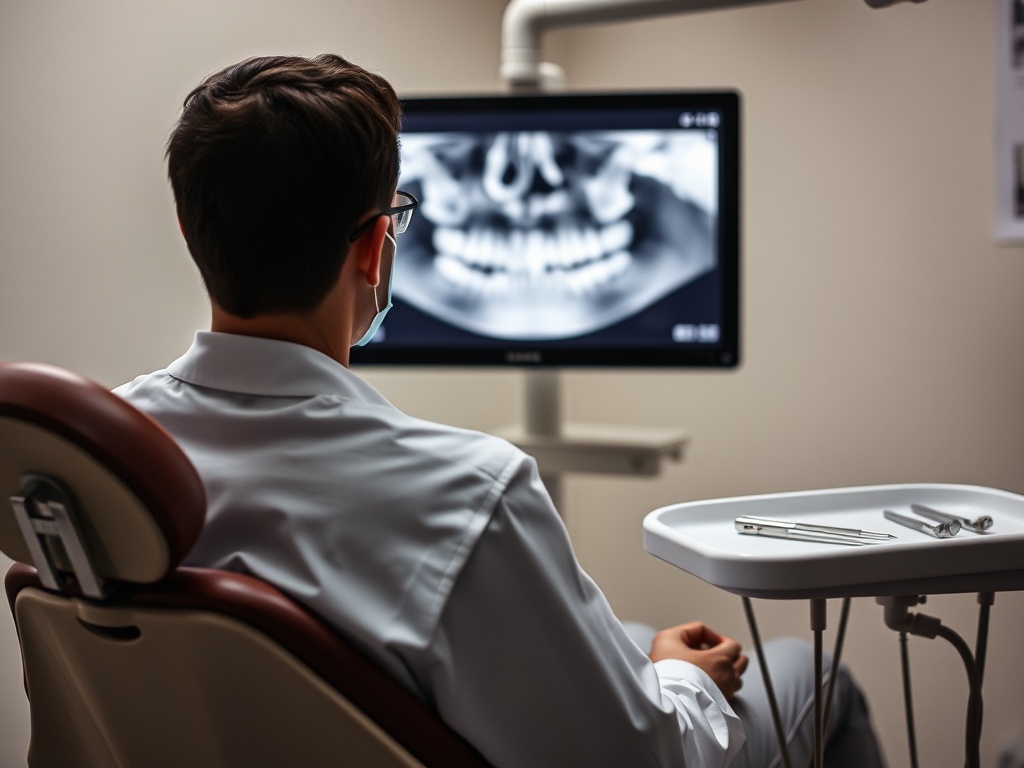

A general dentist is the right starting point for most oral health needs — but certain gum and bone problems benefit from the focused expertise of a periodontist.
Key Takeaways
- Periodontists specialize in the tissues that support teeth: gums, bone, and the periodontal ligament.
- Your general dentist will often refer you, but you can also self-refer if symptoms are persistent.
- Key triggers include gum recession, bone loss on X-rays, pockets deeper than 4mm, or implant planning.
- Early referral typically leads to less invasive treatment.
What a Periodontist Actually Does
Periodontists complete three additional years of post-dental-school training focused exclusively on the gums, alveolar bone, and supporting structures around teeth. They also place and manage dental implants, treat advanced gum disease, and perform gum grafting procedures.
A general dentist manages early-stage gum disease (gingivitis and mild periodontitis) effectively during regular care visits. A periodontist becomes the appropriate provider when disease has progressed, anatomy is complex, or surgical intervention is on the table.
What to Bring to a Periodontal Consultation
Whether you were referred or self-referred, having the right information ready makes the first appointment more productive:
- Recent X-rays (panoramic or bitewing) — ask your general dentist to send them ahead
- A list of all current medications, including supplements and over-the-counter drugs
- A record of any systemic conditions such as diabetes, heart disease, or autoimmune disorders
- Notes on symptoms: when gum bleeding started, whether you have noticed recession, and any pain locations
- Your last periodontal charting results, if available
Conditions like diabetes have a well-documented bidirectional relationship with gum disease — each can worsen the other — so a periodontist will often ask about systemic health before making a treatment recommendation.
Non-Surgical vs. Surgical Options: Key Decision Points
Most periodontists begin with non-surgical treatment whenever possible.
| Condition | Non-Surgical Approach | When Surgery May Be Needed |
|---|---|---|
| Moderate periodontitis (4–6mm pockets) | Scaling and root planing (deep cleaning) | Pockets that do not respond after 6–8 weeks |
| Gum recession | Monitoring, antimicrobial rinses | Connective tissue or free gingival graft |
| Bone loss around teeth | Root surface debridement | Osseous surgery or bone grafting |
| Implant-site preparation | Evaluation and bone density assessment | Ridge augmentation or sinus lift if needed |
The decision to move to surgery is generally made after non-surgical treatment has been given adequate healing time — typically six to eight weeks. The american academy of periodontology provides patient-facing guidance on treatment stages that is worth reviewing before your consultation.
Situations Where a Periodontist Is Usually the Better Choice
- Pocket depths of 5mm or more recorded at a hygiene visit
- Visible or measured bone loss on dental X-rays
- Gum recession that has progressed or is causing sensitivity
- Teeth that feel loose without a clear traumatic cause
- A planned dental implant, particularly in a site with previous infection or limited bone
- Gum disease that keeps recurring despite consistent general dental care
- A family history of early tooth loss from periodontal causes
General oral health connects to broader wellbeing in ways patients sometimes underestimate. Understanding why stress shows up in your mouth and jaw can help explain why symptoms sometimes intensify during stressful life periods — useful context to share with a periodontist.

Red Flags That Make the Referral More Urgent
Seek a periodontal evaluation promptly — not at your next routine cleaning — if you notice:
- Spontaneous gum bleeding or bleeding when eating solid foods
- Pus or a persistent bad taste from a specific area of the gum
- A tooth that has shifted position noticeably
- Gum tissue pulling away from a tooth to expose the root
If you are traveling and experience any of these signs without access to your regular dentist, the guidance in emergency dental care while traveling can help you decide how quickly to act.
Your Next Step
Ask your general dentist whether periodontal measurements are part of your routine exam, and request a printed copy of your pocket depth chart. If any readings are 4mm or above, open a direct conversation about whether a periodontal referral makes sense. You do not need to wait for pain to take that step.